In a significant setback for the UK's sports broadcasting landscape, TNT Sports has lost two of its flagship properties in quick succession. The broadcaster has been outbid for the rights to the UEFA Champions League and has voluntarily walked away from the auction for the new international rugby Nations Championship.
A Strategic Retreat from Major Rights
The recent weeks have proven challenging for TNT Sports. Following a Guardian report on the eve of the first Ashes Test, it was confirmed that the UK rights to the Champions League from 2027 would move to Paramount+ in a joint deal with Amazon Prime. Sky Sports secured the Europa League rights as part of the same agreement, which is valued at £2.2bn over four years, a substantial increase from the previous £1.2bn fee.
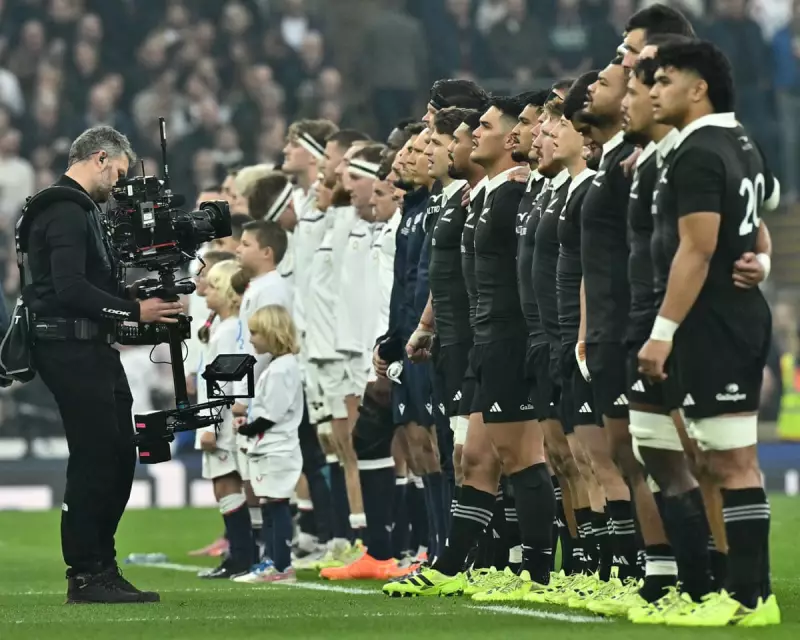
Separately, TNT opted not to bid for the inaugural Nations Championship in rugby union, a competition for which it had held the Autumn Internationals for the past two years. The rights were instead secured by ITV in an £80m deal for two tournaments, leaving the free-to-air broadcaster unopposed.
Financial Reality Dictates Decisions
Senior sources within TNT have expressed they are "absolutely gutted" to lose the Champions League, a cornerstone property since the BT Sport era began in 2013. However, they insist the company adhered to a strict financial model. "We have a clear business model, and in rights negotiations there is only a certain level we will go to," a TNT source stated, referencing the huge losses historically incurred by BT Sport.
Financial accounts underscore this caution. TNT Sports Broadcasting Limited reported losses of £148m for the period to July 2024, although this figure is understood to include significant start-up costs for the Warner Bros Discovery and BT Group joint venture formed in 2022. The company projects it will break even soon, and ironically, the removal of the costly Champions League commitment—worth around £1bn—could accelerate that process.
Rebalancing the Portfolio and Future Uncertainty
TNT's strategy since the merger has shifted towards a broader, more diverse content portfolio to drive subscriber retention. This season, it has added international cricket, English club rugby, and the FA Cup to its offering, which already includes major events like the Olympic Games and Grand Slam tennis from Eurosport.
"It's not as if there is a fire drill happening," another source commented. "We've got 18 months to really think about other opportunities regarding pricing, packaging and buying other rights." The company is even considering lowering its monthly subscription price from £30.99 to mitigate subscriber loss.
The long-term future remains clouded, however, as parent company Warner Bros Discovery is the subject of takeover interest from parties including Paramount Skydance, Netflix, and Comcast—the owner of rival Sky Sports. TNT's current challenges highlight the enduring difficulty of competing with Sky, which has dominated the market since the Premier League's inception in 1992.
While BT used its sports arm to drive broadband subscriptions, TNT's explicit goal is profitability—a task that has now become even more formidable following this double blow to its premium sports lineup.