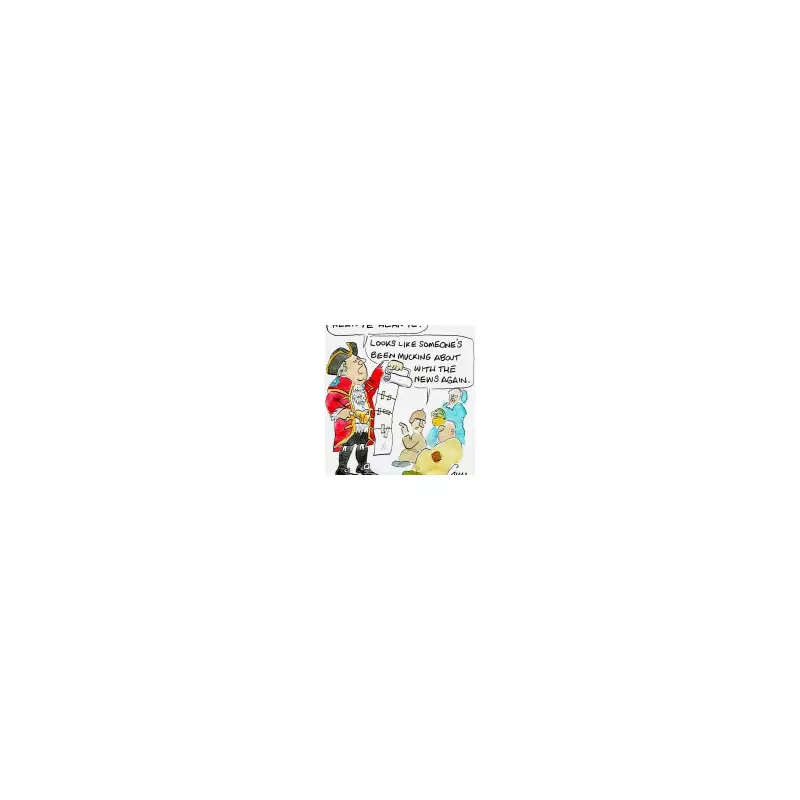
The BBC is facing a significant leadership crisis and a formidable legal challenge from a former US President. Tim Davie has resigned from his role as Director-General, a move that coincides with Donald Trump threatening the broadcaster with legal action.
A Resignation and a Legal Threat
The news broke on November 10, 2025, sending shockwaves through the British media landscape. The resignation of Tim Davie, the corporation's top executive, is a major event in its own right. However, the situation is compounded by the direct involvement of Donald Trump.
The former President has publicly threatened to sue the BBC. This legal threat is reportedly linked to resignations within the corporation concerning an edit made to a speech. The exact nature of this edit and the subsequent internal dissent appear to be central to the unfolding drama.
The Unanswered Questions
While the core facts are clear, several questions remain. The specific content of the edited speech and the identities of the other individuals who resigned have not been fully disclosed. The connection between Tim Davie's departure and the internal controversy over the Trump-related edit is a key area of public and media speculation.
The BBC now finds itself navigating a perfect storm: the sudden loss of its leader and a high-profile, potentially damaging, legal confrontation with a powerful international figure.
Broader Implications for the BBC
This event raises serious questions about the BBC's editorial independence and its ability to withstand external pressure. The dual pressures of an internal leadership vacuum and an external legal challenge from Donald Trump present an unprecedented test for the broadcaster's governance and reputation.
The coming days are likely to see further developments as more details emerge about the resignations and the basis for the threatened lawsuit. The corporation's handling of this crisis will be closely watched by media observers and the public alike.