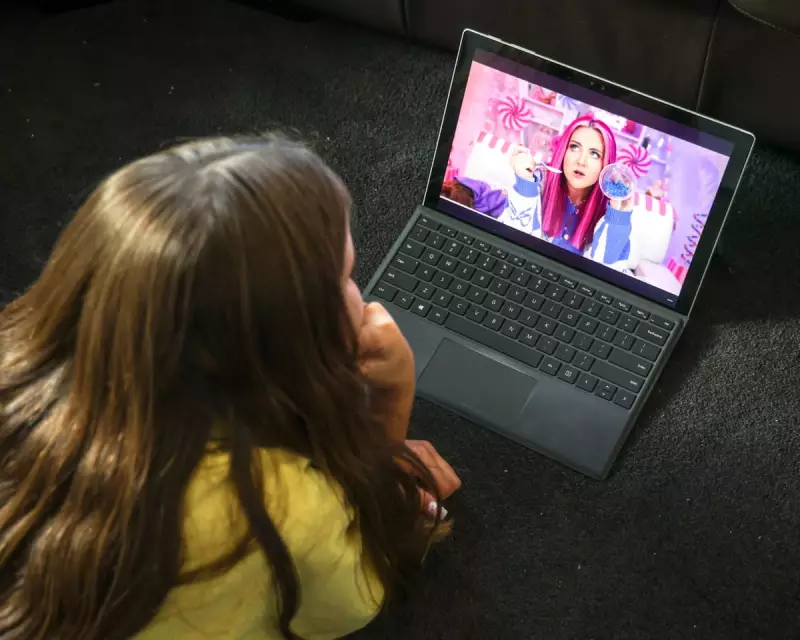
The creator of Teletubbies has issued a stark warning to parents about the "empty" nature of many children's programmes on YouTube, stating they fail to encourage imaginative development in young viewers.
Anne Wood, the veteran producer behind the iconic preschool television show, expressed serious concerns that children's television has become significantly undervalued, with society "losing a tremendous amount" of quality content without realising its importance.
The Responsibility of Art Versus Algorithmic Content
Wood argued that platforms like YouTube have effectively abandoned "the responsibility of art" traditionally upheld by trained professionals in children's media. While acknowledging the excitement of new digital platforms, she emphasised they're "not necessarily being used responsibly in the interests of young audiences."
Her concerns were echoed by other children's television figures who worry that YouTube's algorithmic recommendations and endless scroll functionality don't prioritise high-quality content in the way public service broadcasters can. This follows children's laureate Frank Cottrell-Boyce telling MPs that much YouTube programming serves as little more than "sedation" for young viewers.
The Historical Decline of Children's Programming
Wood traced the current situation back to 2003 when the Communications Act removed requirements for commercial public service broadcasters to invest in children's television. She noted this decline has accelerated dramatically with the rise of algorithm-driven online platforms.
The Teletubbies creator pointed out the irony that while her show "made a huge amount of money for the BBC," this financial success has been largely forgotten by those making contemporary content decisions.
Despite initial accusations of "dumbing down" when Teletubbies launched in 1997, subsequent academic research demonstrated that its emphasis on rhyme, repetition and simplicity actually improved children's language capabilities.
Contrasting Approaches to Children's Content
Wood explained the careful craftsmanship behind traditional children's television: "In television, you can tremendously show and reflect back to children their own experience in a comic way that makes them smile – if you have children smiling their confidence is building." She highlighted the importance of pacing, noting "there's a real art in editing for a three- or five-year-old – you hold to allow the child time."
This thoughtful approach stands in stark contrast to algorithmic content that Wood believes "beat down your own ability to develop and think around and imagine around." She specifically mentioned popular YouTube channel CoCoMelon as being primarily "a distraction" to assist busy parents, potentially helpful in small doses but concerning regarding what children might be missing.
Former Blue Peter presenter Konnie Huq agreed the children's media landscape has transformed significantly, comparing the situation to allowing children to "eat sugar for every meal." She observed that both children and adults naturally gravitate toward instant gratification and dopamine hits over content that might require more engagement but offers longer-term benefits.
Huq also expressed concern about the increasing commercialisation of the media industry, noting that even the BBC now expects presenters to maintain social media presence and product endorsements.
Both creators highlighted the persistent undervaluing of children's television, which receives lower remuneration and is sidelined from main awards events like Bafta. Huq emphasised this is particularly troubling since children's programming shapes the adults of tomorrow.
Academic expert Sonia Livingstone from the London School of Economics confirmed that evidence shows children benefit from high-quality educational, creative or imaginative content, though she acknowledged "parents don't always know how to tell what's of value."
Livingstone suggested the fundamental problem with YouTube may be more about its format than specific content, as the commercially motivated algorithm is designed to "grab and sustain attention beyond where the child would naturally keep watching."
YouTube has been approached for comment regarding these concerns about children's content on its platform.