Tariq Ali Claims BFI Has Frozen Him Out of Multicultural TV Season
The editor of a groundbreaking Channel 4 show has claimed that the British Film Institute has frozen him out of an upcoming season dedicated to multicultural television, alleging that the institution is presenting a skewed vision of the programme.
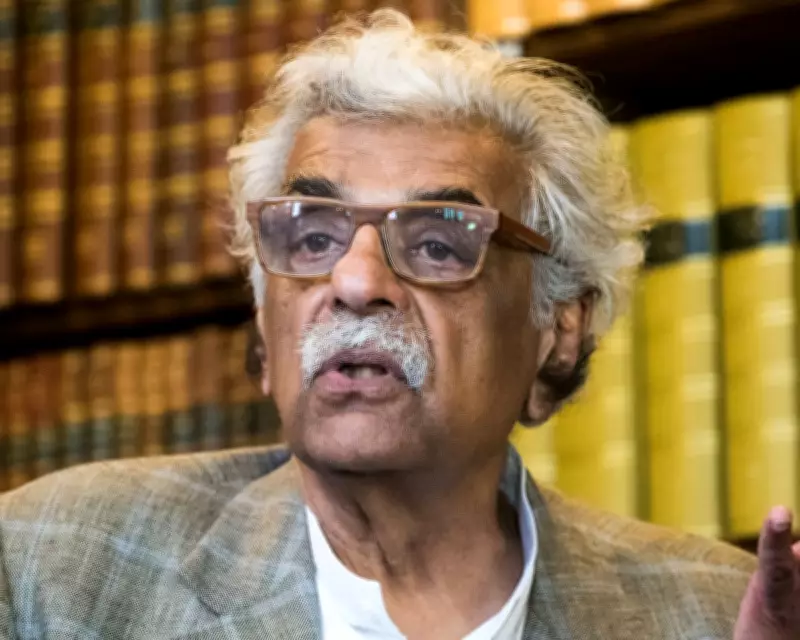
Tariq Ali, who served as series editor for the global current affairs programme Bandung File during the 1980s, said he was shocked not to receive an invitation to participate in the BFI's new season, Constructed, Told, Spoken: A Counter-History of Britain on TV.
Exclusion from Dedicated Screenings
The season includes a dedicated evening in March where it will screen episodes of Bandung File, yet Ali told the Guardian that he was never contacted about involvement. "They never contacted me," he said. "The first I saw was in the BFI programme that they had an evening of Bandung File stuff but the choices suggest that there doesn't seem to be a knowledge of what the programme was."
Ali, who detailed his experiences on the show in a memoir released last year, emphasised his desire for the programme to be presented correctly and placed in its proper historical context. He highlighted the show's unique approach to unifying communities and educating a diverse audience.
The Legacy of Bandung File
Bandung File, which took its name from the 1955 meeting in Indonesia between newly independent Asian and African states, was part of a wave of programmes made by and primarily for black and south Asian audiences. It ran from 1985 until its cancellation in 1989, with Ali serving as series editor alongside Darcus Howe, commissioned by Farrukh Dhondy, Channel 4's editor for multicultural programmes.
The show represented a significant departure from previous multicultural offerings on Channel 4, which often took the form of magazine shows or chat shows. Bandung File had a harder, internationalist edge, covering serious global issues with investigative rigour.
Ali explained: "The whole thing about Bandung File is that we did it in a way which unified the West Indian and South Asian communities, while looking outwardly as well; 50% of the viewers were white and 50% non-white, our philosophy was that white people also needed to be educated."
Journalistic Achievements and Contemporary Relevance
The programme achieved several notable journalistic successes during its run:
- Exposing a vote-rigging scheme in Roy Hattersley's constituency of Sparkbrook, Birmingham
- Uncovering the Greater London Council's decision to fund a far-right Hindu political group
- Securing an interview with Salman Rushdie amid the controversy surrounding The Satanic Verses
Current BBC chair Samir Shah has praised the programme for its coverage of the BCCI scandal, noting that it "showed what that kind of journalism can achieve."
Ali expressed doubt that such a programme could be commissioned or succeed in today's media landscape. "When I show Bandung File to students today the first question I'm asked is: 'Was this actually on British television?' They don't believe it because of the output they see today," he said. "It shows what television can do if it's sustained and properly supported."
BFI Response and Season Details
A spokesperson for the BFI responded to Ali's claims, stating: "We recognise how vital Tariq was in shaping Bandung File under his editorship with Darcus Howe. It was always our intention to include Tariq in the season and we hope to get him involved. The process of making contact with him has been delayed slightly due to sourcing his details, however it is not unusual for us to confirm guests once our brochure and season comms have been published."
The BFI season, which runs throughout February and March, examines multicultural television departments that emerged in the UK during the 1980s. In addition to the Bandung File screenings, the programme includes events dedicated to the impact of cultural theorist Stuart Hall and the black gay television series of the same era.
Despite the programme's serious content, the team behind Bandung File maintained a sense of humour about their work. Following the show's cancellation in 1989, they held a "funeral" in Kentish Town with invitations reading: "Bandung File, born 1985, died 1989; cause of death – execution ... dress code: all black."