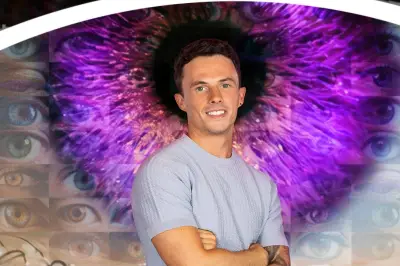
Steven Bartlett, the prominent entrepreneur and Dragon's Den star, is confronting mounting criticism as his phenomenally successful podcast, The Diary of a CEO, faces accusations of promoting misogynistic ideas. The backlash has intensified with several high-profile celebrities publicly voicing their disappointment, marking a significant shift in perception towards the once universally praised show.
From Self-Improvement to Controversy
Since its inception in 2017, Bartlett has cultivated a vast audience by positioning himself as a calm, thoughtful interviewer. His therapeutic style, exploring topics like burnout, anxiety, and success, helped the podcast stand apart in the crowded male self-help space. For years, listeners appreciated the measured, introspective approach that distinguished it from more aggressive voices in the genre.
However, recent episodes have prompted serious concerns that the podcast's tone has darkened considerably. Critics argue that Bartlett is now amplifying harmful narratives about women without providing sufficient challenge or counterpoint. The presentation of these ideas as measured and reasonable, they warn, makes them particularly insidious compared to more overt forms of misogyny.
The Spark That Ignited the Firestorm
The latest controversy erupted following an end-of-year episode featuring lifestyle podcaster Chris Williamson. During their discussion about declining birth rates, the conversation framed women's independence, access to contraception, and changing social expectations as potential explanations for fewer people having children. Williamson went further, suggesting an 'anti-family' attitude among women was to blame, specifically targeting a TikTok creator who had listed her reasons for not wanting children.
This exchange rapidly circulated across social media platforms, where listeners expressed alarm at what they perceived as belittling of women's reproductive choices. The discussion appeared to reduce complex social issues to cultural grievances about feminism, prompting widespread condemnation from former fans and public figures alike.
Celebrity Voices Join the Chorus of Criticism
The criticism has gained substantial momentum with several celebrities publicly aligning themselves with the backlash. Dancer and television personality Oti Mabuse commented that Bartlett was 'so disappointing,' adding that she had once loved the show. Reality star Vicky Pattison praised critical analysis of the podcast as 'insightful,' while Ulrika Jonsson offered a simple but powerful 'Amen' in agreement.
Radio 1 presenter Greg James was particularly blunt in his assessment, suggesting the podcast had been 'hurtling' in this concerning direction for some time. He referenced previous controversial episodes, including one where an 'expert' claimed autism could be reversed through diet and another that suggested Covid-19 was an engineered weapon, noting that neither claim received proper challenge during the interviews.
Broader Concerns About Platform and Responsibility
Online creator Shabaz Ali has emerged as a prominent critical voice, arguing in a widely shared video that The Diary of a CEO now offers 'manosphere ideas a ring light and a hug.' He warned that the podcast's measured tone makes harmful narratives seem reasonable rather than extreme, describing Bartlett as a 'Trojan horse' for these ideas compared to more overt figures like Andrew Tate.
The controversy extends beyond a single episode. A resurfaced clip from an earlier interview with psychiatrist Alok Kanojia has reignited anger, showing Bartlett asking whether society should 'put systems in place' to ensure lonely men or self-described incels can find partners. Critics argue this discussion treated women as an abstract solution to male dissatisfaction while failing to acknowledge fundamental principles of consent and autonomy.
Expert Perspectives on the Wider Implications
Amelia Whitworth, Head of Policy, Campaigns & Youth at Plan International UK, told Metro that misogyny has long been embedded in society but is experiencing a surge in online content that claims to address men's issues while actually promoting harmful attitudes. 'This content taps into very real fears and anxieties that boys and men may experience, then twist them to push misogynistic ideas that ignore – or outright dismiss – the challenges women face,' she explained.
Dr Ján Michalko, Research Fellow in the Gender Equality & Social Inclusion team at ODI Global think tank, echoed these concerns, emphasising the responsibility of influencers with millions of followers. 'Platforming ideas that undermine women's autonomy and rights, even if they come from the words of other people, does have an impact because they reach millions of people, including men who are looking for guidance about what it means to be a successful man in this day and age,' he stated.
The Podcast's Defence and Ongoing Debate
A spokesperson for The Diary of a CEO defended the podcast's format, stating: 'The Diary Of A CEO is a long-form, conversational podcast designed to explore the perspectives and experiences of its guests in their own words. Inviting a guest is an act of inquiry, not endorsement. Steven Bartlett does not adopt the opinions of his guests, nor is the format intended to pass judgment on personal viewpoints.'
Regarding suggestions that the podcast has connections to the 'manosphere,' the spokesperson pointed to recent high-profile guests including Michelle Obama, Kamala Harris, and Gavin Newsom, arguing that the podcast's archive disproves such claims. However, for many exasperated listeners, this defence fails to address their fundamental concerns about responsibility and consequence.
As Dr Michalko concluded: 'As there has been a resurgence of voices advocating for traditional and harmful gender norms, any content that questions women's autonomy can contribute to shifting what we normalise as people's rights and roles in society. Influential figures should approach their social media content with care, understanding that we are in a context of increasing online and offline misogyny.'