The era of one remote, one broadcaster, and one living room for watching live sport is rapidly fading into history. According to James Grant, SVP of Advanced Television at Equativ, the sports media landscape is now entering its most disruptive decade since the shift from analogue to digital.
The Fan-Led Revolution
This profound transition is not being driven by technology itself, but by the fans. Across Europe, viewing habits are splintering as audiences fluidly move between traditional broadcasters, streaming services, YouTube, TikTok, podcasts, and creator-led watchalongs. In the UK, YouTube now sits only behind the BBC for total audience reach, a statistic that underscores the scale of the change.
The once-stable model of buying rights, airing matches, and selling ads has been replaced by a fragmented ecosystem. This new environment is shaped less by the broadcaster and more by the viewers themselves and the digital platforms they prefer.
Leagues and Broadcasters Adapt to New Realities
With a stellar year of sport ahead—featuring the NFL, Winter Olympic Games, Six Nations, and the FIFA World Cup—fans increasingly expect live sport to be available seamlessly. They are no longer willing to hunt for content. Instead, they demand relevance, flexibility, and control over not just what they watch, but how they watch it.
This shift is forcing leagues and broadcasters to reconsider long-held assumptions. Rights packages that were once exclusive to one or two partners are now being split across streamers, social platforms, and creators. Examples like the Bundesliga choosing YouTuber Mark Goldbridge to front Friday-night coverage, or LaLiga partnering with Goalhanger to adapt match clips for a podcast-first format, would have been unthinkable just a few years ago. Today, they reflect a clear commercial reality: attention moves first, and rights follow.
The Future: Hybrid Models and Industry Challenges
Fans are increasingly drawn to formats that feel participatory. Watchalongs, live chat, real-time commentary, meme-driven highlight culture, and contextual overlays all cater to audiences who want to feel part of the action, not just passive observers. Traditional broadcasters are now racing to replicate this level of intimacy and relevance.
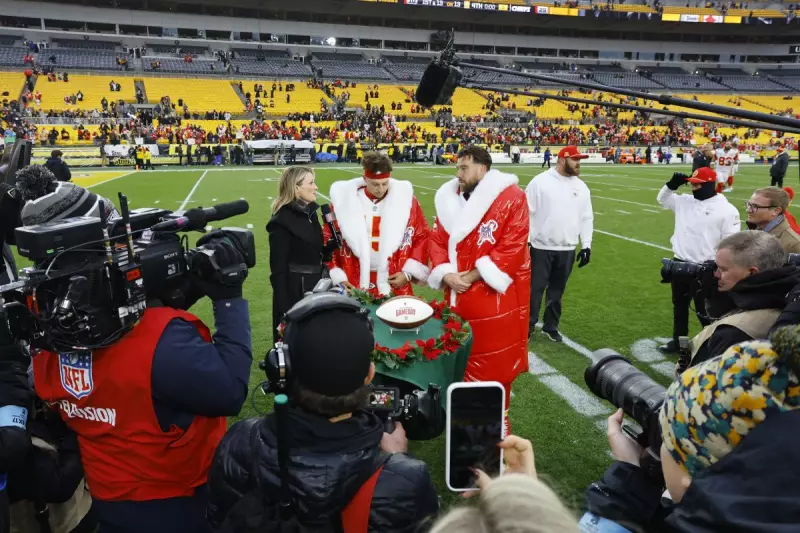
The question now is how far this hybrid model can go. If leagues are already splitting rights, there is no reason a future Boxing Day football fixture could not be shown simultaneously on Dazn, YouTube, and a creator-led channel, each offering unique commentary, ad experiences, and interactivity. The NFL is already exploring this, with its global Netflix deal for Christmas Day games, which aired for the first time in 2024 and will be repeated in 2025.
However, this fragmentation creates significant challenges. While it generates more advertising inventory, it also makes audience reach and measurement harder to verify. Advertisers still demand consistency, contextual relevance, and transparency across an increasingly decentralised viewing environment. Making all these formats work together cohesively remains a major hurdle for the industry.
Ultimately, fans are unconcerned with these structural challenges; they care about the quality of their experience. The organisations that can deliver the most frictionless, personalised, and culturally relevant version of live sport will win their attention. The advertising market will inevitably follow. The next decade of sports media will belong to those who can best design experiences around how people actually want to watch—across channels, communities, and formats, often all at once.