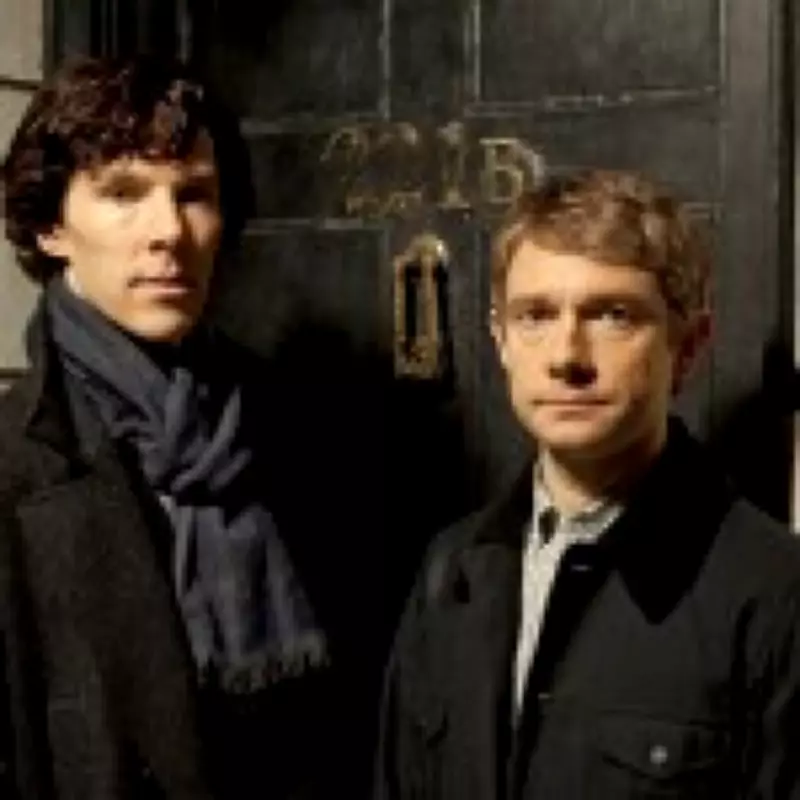
Mark Gatiss, the acclaimed co-creator of the hit BBC series Sherlock, has publicly endorsed the use of trigger warnings on older television programmes and movies. The 59-year-old actor and writer believes such disclaimers offer valuable historical context, helping audiences understand the societal attitudes prevalent when the content was originally produced.
A Healthier Perspective on Media Consumption
During a recent appearance on the Scarred For Life podcast, Gatiss highlighted the Talking Pictures TV channel as a positive example. This broadcaster routinely includes brief warnings before screening vintage films, stating they reflect the attitudes of their time. Gatiss emphasised that this approach fosters a more informed and balanced viewing experience.
'It's a healthier way of looking at anything,' Gatiss remarked. 'If you pretend it never happened, it's like everything was some strange showbiz utopia. I think it's much more important to talk about it than to just put it in a box and pretend it never happened.'
Personal Experience with Content Controversies
Gatiss is no stranger to debates surrounding media content and censorship. In 2020, his cult dark comedy series The League of Gentlemen was removed from Netflix due to controversy over a character many perceived as featuring blackface makeup.
The character Papa Lazarou, portrayed by Reece Shearsmith, became one of the show's most iconic figures during its original BBC run from 1999 to 2002. However, the character's distinctive makeup, reminiscent of historical minstrel shows, has sparked considerable debate in recent years regarding its appropriateness.
The creative team behind The League of Gentlemen – Gatiss, Shearsmith, Jeremy Dyson, and Steve Pemberton – have consistently maintained that Papa Lazarou was never intended as a racist caricature. In a 2020 interview with The Independent, Shearsmith explained the character's origins as a frightening, clown-like creation designed to evoke a Child Catcher-esque presence rather than represent any racial group.
'It was never an existing character,' Shearsmith clarified. 'It was not me doing a black man. It was always this clown-like make-up, and we just came up with what we thought was the scariest idea.'
Broader Implications for Media Preservation
Gatiss's comments arrive during ongoing industry discussions about how to handle historical media containing content that contemporary audiences might find problematic. His perspective suggests that rather than removing or ignoring such material, providing context through warnings allows for both preservation and critical engagement.
The debate extends beyond television to encompass all forms of media, raising important questions about:
- How societies remember and contextualise their cultural history
- The balance between artistic preservation and contemporary sensitivities
- The educational value of understanding historical attitudes through media
- The role of broadcasters in guiding audience interpretation
As streaming platforms continue to make vast archives of historical content available, Gatiss's advocacy for contextual warnings represents a moderate approach that acknowledges changing social norms while preserving artistic works for future generations to study and understand within their proper historical framework.