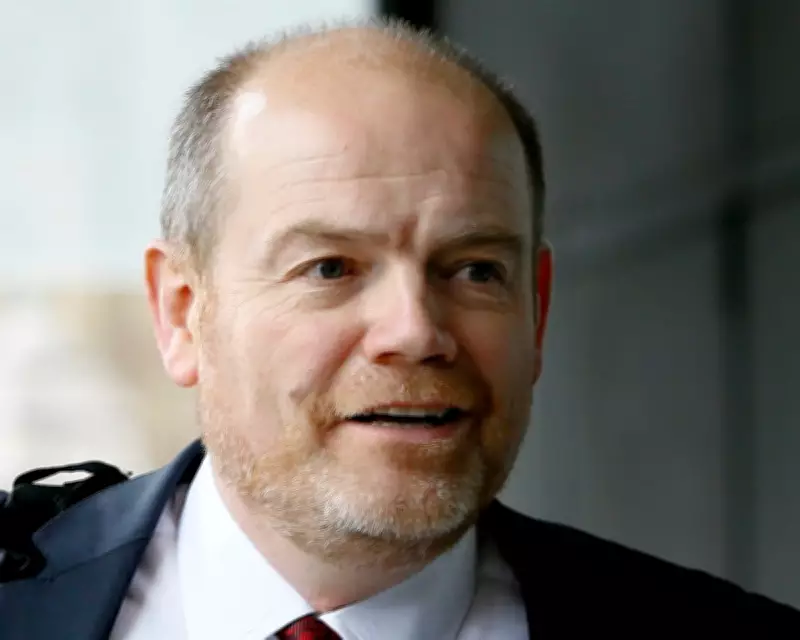
Mark Thompson, the former director general of the BBC, was informally approached about a potential return to lead the corporation in a surprise move, the Guardian understands. However, Thompson has made it clear that he is committed to his current role at CNN, where he is spearheading a major modernisation drive for the news network.
BBC Leadership Search Intensifies
The BBC is actively searching for a new leader following the resignation of Tim Davie in November. Davie stepped down in the fallout from an edited Donald Trump speech in an edition of Panorama, leaving a significant vacancy at the top of the public broadcaster. The closing date for potential candidates to replace Davie was at the end of last year, heightening the urgency of the selection process.
Thompson's Political Acumen Sought
Industry insiders were not surprised by the approach to Thompson. With the BBC facing immense political pressure from both Donald Trump and the political right in the UK, Thompson is viewed as one of the few figures with the necessary political skills and fortitude to navigate these challenges. His experience in handling crises and managing the corporation's complex funding model makes him an attractive candidate for the role.
CNN executives had expressed concerns that Thompson might be tempted by a return to the BBC, fearing he would relish the challenge of leading crucial talks about the corporation's future and financial structure. Despite these worries, Thompson has reaffirmed his commitment to CNN in recent internal meetings, emphasising his dedication to the network's transformation efforts.
Leading Contenders for the Role
With Thompson out of the running, attention has shifted to other prominent figures in the media industry. The favourites to replace Davie are now thought to include:
- Jay Hunt, a former BBC and Channel 4 executive currently at Apple.
- Charlotte Moore, the BBC's former chief content officer.
- Alex Mahon, the former chief executive of Channel 4.
Patrick Holland, the executive chair of production giant Banijay UK, is also admired within the BBC but is said to be committed to his current position.
Thompson's Legacy at the BBC
Mark Thompson took over as director general of the BBC in 2004 during a period of crisis, replacing Greg Dyke, who resigned alongside chair Gavyn Davies after criticism in Lord Hutton's report on the death of government weapons inspector Dr David Kelly. Thompson served for eight years, stepping down in 2012 after the London Olympics, a rare departure at a time of his own choosing.
During his tenure, Thompson navigated several major crises, including controversies over fixed phone-in competitions and the abusive messages left by Russell Brand and Jonathan Ross on actor Andrew Sachs's voicemail. He also implemented significant cuts at the BBC, leading to recurring industrial action, yet managed to leave the corporation in a state of relative calm.
CNN's Modernisation Under Thompson
Since joining CNN, Thompson has been overseeing a comprehensive overhaul of the network's business model. Last year, he spearheaded the launch of the All Access subscription streaming tier, part of a broader strategy to shift towards a more subscription-based revenue model as advertising incomes become increasingly uncertain.
CNN is part of Warner Bros Discovery, which is currently embroiled in a fierce bidding war. However, the network operates within the global networks division, which is set to be spun off as a separate company later this year, adding another layer of complexity to Thompson's responsibilities.
Both the BBC and Mark Thompson have declined to comment on the approach. A CNN spokesperson has reiterated that Thompson "remains committed to his role" at the network, underscoring his focus on CNN's ongoing transformation amidst the competitive media landscape.