ITV Announces Sweeping Changes to Iconic Soaps Coronation Street and Emmerdale
ITV is undertaking a bold transformation of its flagship soap operas, Coronation Street and Emmerdale, as confirmed by Executive Producer for Continuing Drama, Iain MacLeod. The network has implemented a new scheduling pattern and is planning significant visual upgrades to keep the long-running shows competitive in an era dominated by streaming platforms.
New Broadcast Schedule and Crossover Event
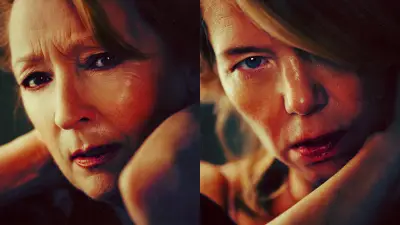
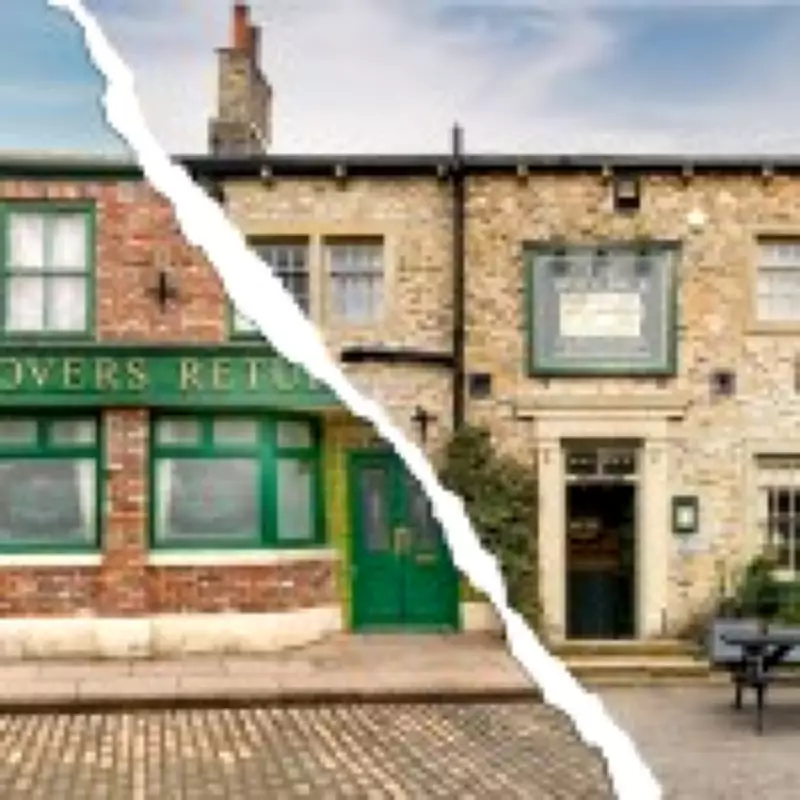
Beginning in 2026, both soaps now air five days per week, with Emmerdale broadcasting from 8:00 to 8:30 PM, followed immediately by Coronation Street for its half-hour slot. To mark this scheduling shift, ITV launched a major crossover event titled "Corriedale," which featured characters from both Weatherfield and the Yorkshire Dales entangled in a dramatic multi-vehicle collision.
This ambitious crossover demonstrated ITV's commitment to evolving its soap offerings while maintaining the core drama that has captivated audiences for decades.

Visual Overhaul Inspired by Streaming Quality
In a revealing interview with the This Is Media City podcast, MacLeod detailed plans for a comprehensive production overhaul that will enhance the visual quality of both programs. "We're in the midst of a big piece of work around evolving what they both look like," he explained, noting that the impressive cinematography of the Corriedale special has inspired these changes.
The executive producer emphasized the need for ITV soaps to maintain relevance as viewer expectations evolve. "If your mum's now watching Squid Game on Netflix, you don't want those viewers to turn on Corrie or turn on Emmerdale and it looks like a completely different century—or genre, even," MacLeod stated.
Technical Upgrades and Consistency Goals
ITV is updating all production equipment, including cameras and post-production infrastructure, with potential improvements to resolution beyond current HD standards. MacLeod aims to create "a somewhat consistent visual feel between the soaps" that identifies them as ITV productions without making them indistinguishable.
"We want to evolve our look so it retains some of the cinematic flavours that we saw in Corriedale recently," he added, suggesting that the visual style will borrow elements from streaming service productions while preserving the essential character of traditional soaps.
Digital Expansion and Younger Audience Appeal
Beyond technical improvements, ITV is exploring digital-based spin-offs to engage younger viewers. MacLeod revealed discussions about "micro-dramas, vertical dramas" and other parallel intellectual property featuring different characters that could feed into and out of the main shows.
"That will, we hope, engage a slightly younger audience and maybe drive those younger viewers into [the main soaps]," he pondered, though he acknowledged the challenge of condensing 23-minute episodes into shorter formats given the complex storytelling inherent to soap operas.
Industry Perspectives on Soap Evolution
Soaps Reporter Calli Kitson supports the changes but cautions against going too far: "At the heart of both of these shows are brilliant cast members who deliver outstanding performances in the middle of powerful storylines. The changes need to act as a helping hand, not something that detracts from the drama."
Deputy Soaps Editor Stephen Patterson similarly advocates for balance: "High end cameras and the upgrading of technology is to be expected and encouraged... but I also feel it's important to not dramatically alter the DNA of the genre. I'd still like my soaps to look like soaps."
Both experts agree that while visual enhancements for special episodes can be effective, maintaining the authentic, character-driven storytelling that defines soap operas remains paramount.
Strategic Response to Changing Viewing Habits
ITV's comprehensive approach—combining schedule adjustments, production upgrades, and digital expansion—represents a strategic response to shifting viewer preferences and increased competition from streaming services. The network aims to preserve the core appeal of its iconic soaps while ensuring they remain visually contemporary and accessible to new generations of viewers.

As MacLeod succinctly put it: "What we don't want is to be left behind." These changes position Coronation Street and Emmerdale for continued relevance in an increasingly fragmented media landscape where traditional broadcasters must innovate to maintain audience engagement.