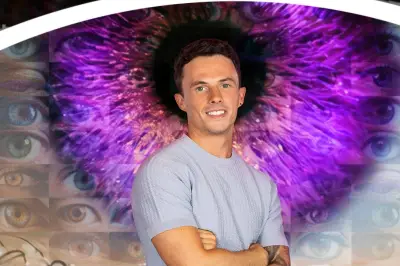
As the 2025 series of ITV's I'm A Celebrity... Get Me Out of Here! draws to a close, a deeply troubling pattern has been thrown into sharp relief. With the final episode airing on Sunday, the show is poised to crown its 25th consecutive white winner, a statistic that has sparked outrage and a painful conversation about race and representation on British television.
A Predictable Pattern of Exclusion
The departure of footballer Alex Scott and comedian Eddie Kadi – the two Black contestants this season – in quick succession left the jungle camp entirely white for the final episodes. This outcome was met with shock by many viewers, who were quick to point out it was unlikely to be a coincidence. The trend is not a new one for the Ant and Dec-hosted show. In fact, a person of colour has never won the programme in its quarter-century history.
The last time a non-white celebrity even reached the final three was back in 2016, when actor Adam Thomas placed as a runner-up. Before him, only three others have made it that far: Myleene Klass in 2006, George Takei in 2008, and Fatima Whitbread in 2011. This record is thrown into even starker contrast by the fact that controversial right-wing politician Nigel Farage finished as runner-up in the 2023 season.
A Wider Reality TV Problem
This issue extends far beyond the Australian jungle. Racism within British reality TV is a persistent and documented problem. A study by Dr Tom Lane at the University of Nottingham, which analysed 35 series of Big Brother, found "strong evidence of discriminatory patterns of behaviour against ethnic minorities". The research concluded that this form of bigotry had yet to be stamped out.
This year alone, Strictly Come Dancing faced accusations of racism over the repeated dance-off appearances of EastEnders star Balvinder Sopal, while Love Island was again criticised for the treatment of its only Black female contestant. Former Love Island star Whitney Adebayo recently spoke out about the "evil, hatred and pure racism" she experienced after appearing on another reality show.
Call for Measurable Action
The article argues that while ITV has previously refuted claims that editorial decisions are based on race, this is no longer sufficient. The systematic exclusion of non-white stars over 25 years points to a profound societal backslide, not a lack of progress. The show, designed as a social experiment for celebrities, has instead become one for the British public – one which it is consistently failing.
To instigate change, responsibility lies with both broadcasters and the public. Production teams must offer better support to contestants of colour in the social media age and reconsider platforming provocative right-wing figures. Ultimately, however, a significant cultural shift in how the UK public views and votes for people of colour on television is required. This demands concerted effort from politicians, the media, and everyday people to prove the UK is a meaningfully diverse society. Only then might the show's grim 25-year streak finally be broken.
Metro has reached out to ITV and the BBC for comment.