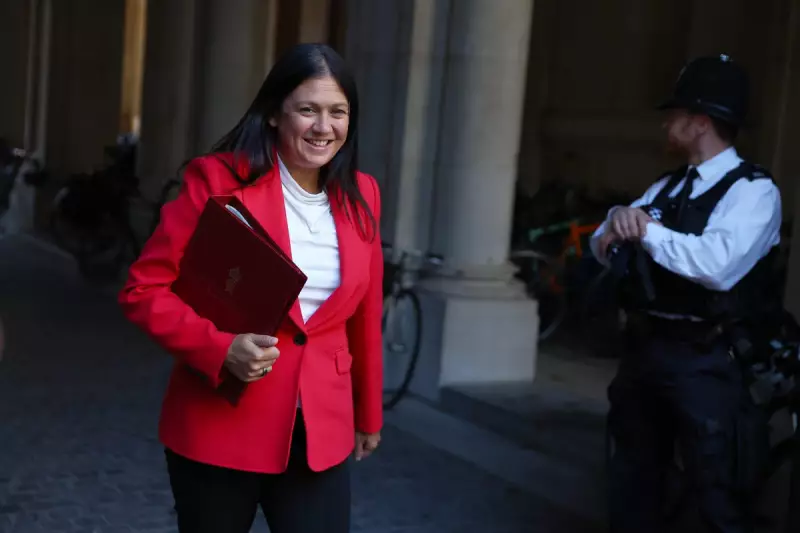
The government has formally commenced a pivotal review of the BBC's Royal Charter, setting the stage for a major debate on the broadcaster's future funding, governance, and independence. Culture Secretary Lisa Nandy launched the consultation on Tuesday 16 December 2025, framing it as an essential step to secure the BBC's long-term sustainability while preserving its core public service mission.
A Financial Crossroads for the BBC
At the heart of the review lies a pressing financial challenge. The BBC's primary income, the television licence fee, generated £3.8 billion last year. However, the number of households paying the fee is in steady decline as viewers increasingly turn to global streaming services. This trend threatens the financial bedrock of the corporation.
Ministers state the aim is to place the BBC on a "sustainable financial footing." The newly published green paper explicitly questions whether the current licence fee model can survive another decade. While ruling out direct funding from general taxation, the government is inviting views on several alternatives:
- Reforming the existing licence fee structure.
- Expanding the BBC's ability to generate commercial revenue.
- Exploring subscription models, advertising, or household levies.
Each option carries significant political and market risks, particularly the potential impact on commercial broadcasters already competing for a shrinking advertising pool. The review also covers funding for the World Service and minority language services.
Trust, Governance, and Political Pressure
Funding is only one part of a complex equation. The review launches during a period of heightened scrutiny for the corporation. Culture Secretary Lisa Nandy emphasised that the BBC must remain "fiercely independent" and command public trust, but recent events have strained this ideal.
Just one day before the review's launch, the BBC faced legal action from former US President Donald Trump over a misleading edit in a Panorama programme. This incident underscores broader concerns about editorial transparency and political influence.
The consultation proposes concrete changes to address these issues, including:
- Altering the government's role in appointing BBC board members.
- Requiring clearer explanations of journalistic processes during major news events.
- Updating the BBC's public service mission to include countering misinformation and promoting media literacy, especially regarding AI.
Economic Impact and Regional Responsibilities
The third major strand of the review focuses on the BBC's economic footprint beyond London. The corporation is a creative powerhouse, generating around £5 billion annually for the UK economy and employing over 20,000 people. It remains the single largest investor in UK-made content.
The government is now considering imposing new obligations on the BBC to drive regional growth, invest in skills and research, and collaborate more closely with local news organisations. Workplace culture is also under examination, with potential new duties on the board to protect staff and address misconduct.
In practice, the path forward is narrow. The government seeks a solution that is both "sustainable and fair for audiences," balancing financial reality with the BBC's irreplaceable role in national life. The outcome of this charter review will fundamentally shape British media for the next generation.