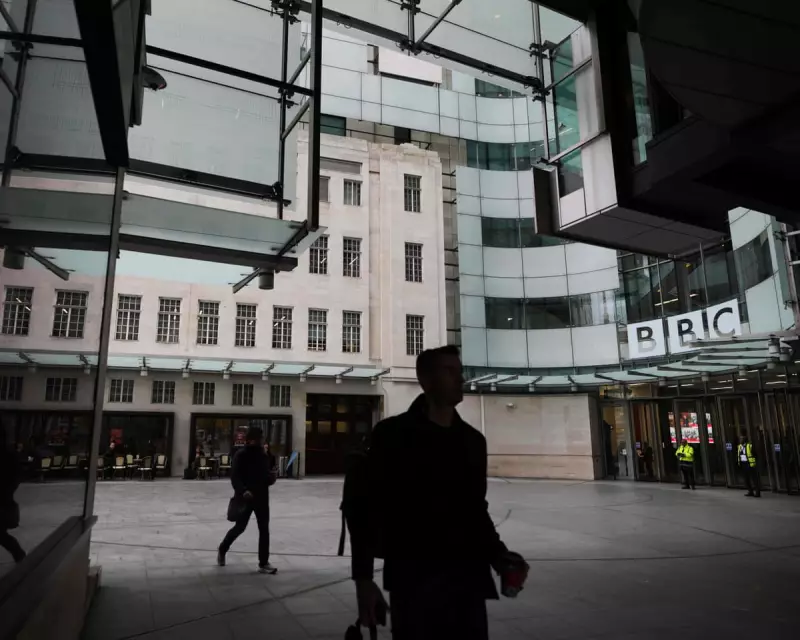
The BBC finds itself sprawling on the canvas once again after another damaging crisis, according to a former senior executive who witnessed multiple corporate storms during his tenure.
Roger Mosey, who previously served as head of BBC TV News, draws parallels between the current situation and historical crises including the Hutton report into Iraq coverage that forced director general Greg Dyke's resignation and the Jimmy Savile revelations that ended George Entwistle's leadership.
The latest controversy involves Tim Davie's resignation over misleading editing of a Panorama programme, leaving the corporation particularly vulnerable to its critics.
The Case for Brave Journalism
Mosey argues there's only one appropriate response: the BBC must get up and fight. In an era dominated by digital misinformation and foreign tech billionaires controlling content, he believes there's a stronger case than ever for British journalism that serves UK citizens with traditional values of honesty, accuracy and truth.
Despite repeated attacks and self-inflicted wounds, the BBC remains Britain's most trusted broadcaster. Its extensive reach and universality precisely explain why its opponents target it so aggressively, according to the former news chief.
Addressing Systemic Challenges
The corporation must also confront its own shortcomings. Mosey points to several recent failures that suggest managerial problems, including the failure to properly identify documentary participants in Gaza coverage and the indefensible editing of material about Donald Trump.
He notes that excellence and intelligent application aren't consistently evident in BBC output, citing numerous lightweight pieces about programmes like Celebrity Traitors that indicate newsroom susceptibility to marketing trends over substantive journalism.
More complex is navigating allegations of bias in culture wars. The BBC's unique position as the only UK media organisation funded by a compulsory licence fee brings particular obligations to reflect all audiences - from nationalists to unionists, Reform voters in Clacton to Greens in Brighton.
Navigating Political Neutrality
Mosey suggests the BBC has historically avoided party political bias but maintains a well-meaning liberalism that can alienate some viewers. The corporation never fully understood Leave voters during the EU referendum and has been nervous about platforming opponents of large-scale immigration, thereby ceding territory to tabloids and GB News.
This distinguishes the BBC from other media platforms that lean specific political directions or endorse parties during elections. Unlike newspapers that attract readers through political alignment, the BBC must secure future funding from across the political spectrum while navigating an increasingly diverse and polarised nation.
Mosey finds this challenge exciting rather than daunting. A public space where citizens can meet and test ideas would need invention if it didn't already exist, offering clear virtues compared to anger-filled social media silos.
This brings obligations: the BBC cannot start from principles that some conscientiously held views are right while others are wrong. Arguments for both trans rights and women's rights must be heard rather than shouted down, mirroring how social progress has historically been driven by open debate.
In international reporting, both Israeli and Palestinian arguments require examination without avoiding awkward facts. The BBC's rationale should be reflecting the world as it is, analysing it, and exposing audiences to views they might disagree with or find upsetting.
Political interference must be resisted implacably, Mosey insists, since every politician ultimately wants more coverage of their own party with minimal challenging questioning. Instead, all Westminster parties should face rigorous grillings about how they address voter concerns.
He criticises current BBC coverage that talks extensively about Reform without properly interrogating their policies, similar to broadcasters focusing on Ed Davey's sailboard mishaps rather than his tax and spending policies during the election campaign.
Mosey's proposal tasks BBC journalism with working harder to include everybody and every lawful opinion without shirking controversy. This requires no additional regulation layers - just commitment to public service and accountability when mistakes occur.
Directors general shouldn't face decapitation risks based on individual errors. The best assessment measures how effectively the BBC helps citizens understand each other and envision living together in future.