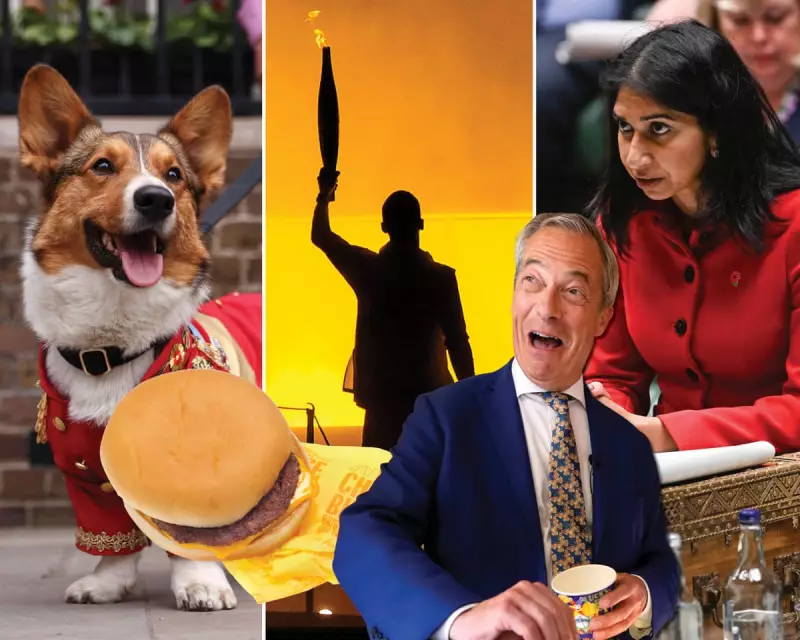
After what he describes as 468 early alarms and countless headlines, the editor of the Guardian's First Edition newsletter is signing off for the final time. In his parting reflections, he looks back on three years of covering everything from global crises to rogue squirrels in his kitchen.
The Era of Big Stories and Dark Times
The departing editor notes that his tenure has been dominated by major global events and troubling developments. He reflects on covering the remorseless intensification of the climate crisis, Hamas's October 7 massacre, the expert consensus growing around Israel committing genocide in Gaza, the war in Ukraine, conflict in Sudan, the rise of Donald Trump and authoritarianism worldwide, and the barely regulated ascent of AI.
In UK politics, he observed ascendant populists, stumbling centrists and bickering leftists, all against a backdrop of unending economic gloom. Among the lighter moments was covering Zohran Mamdani's victory in New York before what he calls turning off his big red alarm clock for good.
Key Lessons from Three Years of News
Several recurring themes emerged throughout his time editing the newsletter. He discovered that the best guides to stories often come at them sideways, citing interviews with people like architect Eyal Weizman on Gaza or BBC Monitoring's Francis Scarr on Russian state TV.
He became preoccupied with how anonymous online ideologues are defining the political moment, particularly the extremely online right and their ability to drive political discourse around issues from grooming gangs to what he calls the so-called 'Boriswave'.
The editor also highlights the prejudice facing disabled people as one of the burning injustices of the age, noting coverage of the Tory abandonment of the ministerial disability portfolio and problems with treating disabled people as sources of inspiration porn.
The Madness of British Politics
Reflecting on particularly chaotic periods, he suggests that British politics will never feel as mad as it did in autumn 2022. He recalls covering the Truss-era Tories through self-inflicted economic collapse, astonishing public recrimination, and the defenestration of the prime minister.
He had the dubious honour of covering the mini-budget fallout, what he describes as the absolutely insane day of Suella Braverman's resignation, and the spectacle of Conservative MPs turning on each other at party conference. Despite this chaos, he wryly notes that he wisely thought radical rightwing economic prescriptions would be ruled out for a generation.
As he hands over to Aamna, Martin Belam and Karen McVeigh, the editor signs off with appreciation for his colleagues and readers, leaving behind lessons learned from three years of bringing the first news of the day to UK audiences.