Nigel Farage has launched a furious counter-attack against the BBC, accusing the broadcaster of "double standards" over historical racism, as he faces allegations about his own conduct as a schoolboy nearly five decades ago.
A Heated Exchange Over Historical Context
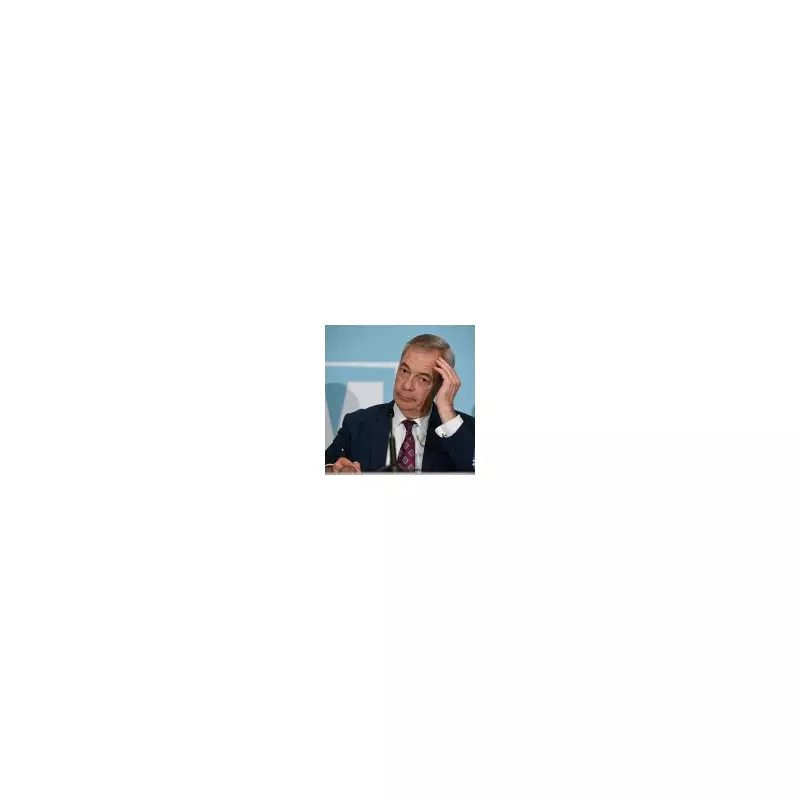
During a press conference in London, the Reform UK leader grew visibly angry when questioned by a BBC journalist about claims he made racist and antisemitic remarks while a pupil at Dulwich College in the 1970s. Farage raised his voice, shifting the focus to the BBC's own past programming.
"I cannot put up with the double standards at the BBC about what I’m alleged to have said 49 years ago, and what you were putting out on mainstream content," Farage stated. He specifically cited shows like The Black and White Minstrel Show, which featured white performers in blackface and attracted audiences of up to 16 million before its cancellation in 1978.
He also referenced the sitcom It Ain’t Half Hot Mum and the character Alf Garnett from Till Death Us Do Part, demanding a broad apology. "So I want an apology from the BBC for virtually everything you did throughout the 1970s and 80s," he declared.
Denials and Defence from School Days
The allegations centre on claims from former classmates, including Peter Ettedgui, who is Jewish. Mr Ettedgui has alleged that Farage "repeatedly" told him "Hitler was right" during their time at the prestigious south London private school.
At the conference, Farage continued to deny ever making racist remarks in a "malicious or nasty way." In his defence, he read aloud a letter from another former schoolmate, who identified as Jewish and was at Dulwich at the same time.
The letter stated: "I never heard him racially abuse anyone. If he had, he would have been reported and punished. He wasn't. The news stories are without evidence, except for belatedly, politically dubious recollections from nearly half a century ago." The writer described the culture of the 1970s as different, involving "macho tongue-in-cheek schoolboy banter" that was sometimes offensive but "never with malice."
Political Fallout and Accusations of Inconsistency
The reaction from other political parties was swift and critical. The Labour Party accused Farage of failing to maintain a consistent story. Labour Party chairwoman Anna Turley said: "Nigel Farage can’t get his story straight. It really shouldn’t be this difficult to say whether he racially abused people in the past."
She listed his shifting responses, from claiming he couldn't remember, to denying it was true, to stating he never "directly" abused anyone. "Instead of shamelessly demanding apologies from others, Nigel Farage should be apologising to the victims of his alleged appalling remarks," Turley added.
The Conservative Party characterised his press conference performance as a "rant" that showed his Reform UK party was in "chaos."
Separately, Prime Minister Sir Keir Starmer attacked Reform UK's foreign policy stance, labelling the party as "pro-Putin or Putin-neutral." He argued that with Farage as prime minister, the UK could not be part of the coalition supporting Ukraine. Farage dismissed this, saying it "makes me laugh" and recalling that he once admired Putin as a leader but disliked him as a human being.
The clash underscores the intense scrutiny on historical conduct within contemporary politics and highlights ongoing debates about accountability for past actions versus the societal norms of different eras.