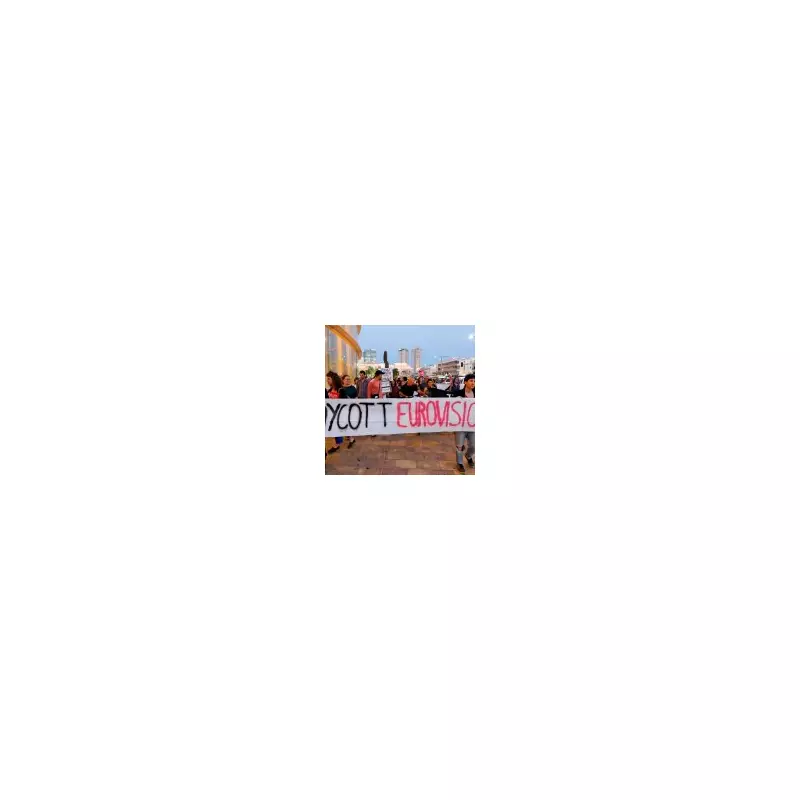
A significant boycott of the Eurovision Song Contest 2026 is underway, led by Ireland, Spain, and the Netherlands. The coordinated withdrawal comes in direct response to the official decision by contest organisers to allow Israel to participate in next year's event.
Broadcasters Announce Immediate Withdrawal
The national broadcasters of the three countries released firm statements confirming their stance. Dutch broadcaster Avrotros declared that taking part "under the current circumstances is incompatible with the public values that are essential to us."
Spanish broadcaster RTVE pointed to a decision made by its board of directors back in September 2025. They stated that Spain would withdraw if Israel was included, a position they are now honouring. This means RTVE will not broadcast the final or the semi-finals of the 2026 contest.
RTÉ, Ireland's leading public service broadcaster, followed suit with its own announcement that Ireland will not participate.
Growing List of Countries Joining the Boycott
The protest is not limited to the initial three nations. According to a report from RTV Slovenia, several other countries are set to join the boycott. The Slovenian broadcaster indicated that Belgium, Iceland, and Slovenia will also not take part in the 2026 competition.
The primary reason cited by the boycotting nations is Israel's ongoing military actions in Gaza, which some have labelled a genocide. However, it is noted that Israel's participation has also faced scrutiny over separate accusations of unfair voting practices in past contests.
Impact on the 70th Anniversary Contest
The Eurovision Song Contest 2026 is scheduled to be a milestone 70th edition of the popular music competition. It is planned to take place at the Wiener Stadthalle in Vienna, Austria in May 2026, following the usual format of two semi-finals and a grand final.
This large-scale boycott, spearheaded by some of the contest's historically successful participants, threatens to overshadow the anniversary celebrations and presents a major organisational and reputational challenge for the European Broadcasting Union, which oversees the event.