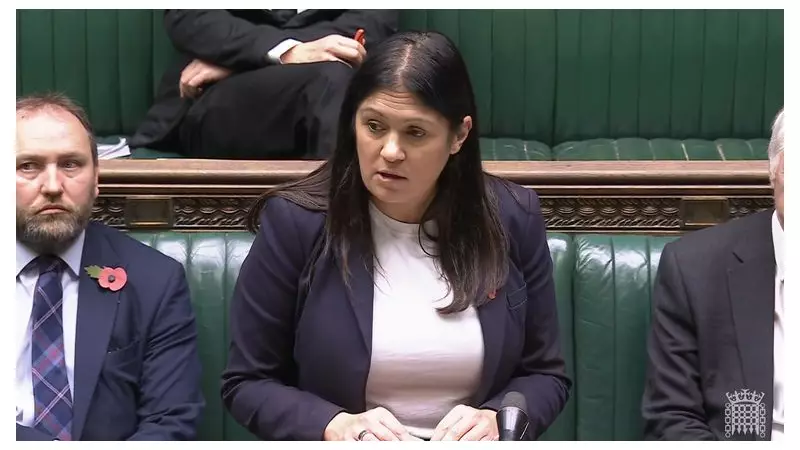
Culture Secretary Lisa Nandy has mounted a robust defence of the BBC during a parliamentary session, describing the broadcaster as a "light on the hill" for audiences in Britain and worldwide. Her comments come as the corporation faces one of its most serious crises in recent years, triggered by controversial editing of a Donald Trump speech in a Panorama documentary.
Political Storm Over BBC Impartiality
The Culture Secretary addressed the House of Commons on Tuesday 11 November 2025, acknowledging that "some in the House" had suggested the BBC suffers from institutional bias. However, Ms Nandy firmly rejected these claims, stating that all MPs should "value it, uphold it and fiercely defend it."
The defence follows the resignation of two senior BBC figures, including director-general Tim Davie, after the corporation apologised for editing a Trump speech from October 2024. The documentary, which aired the week before the US presidential election, showed an edited version of Mr Trump's speech before the 2021 Capitol riot where he appeared to tell supporters he would walk with them to "fight like hell."
Trump's Billion-Dollar Legal Threat
Former US President Donald Trump has responded with a $1 billion lawsuit threat against the BBC. A letter dated 9 November from Florida lawyer Alejandro Brito outlines three key demands:
- A "full and fair retraction" of the documentary
- An immediate apology from the corporation
- Appropriate compensation for Mr Trump
The BBC has until 10pm UK time on Friday to respond to these demands before legal action proceeds.
Staff Rebellion Over Tory-Linked Board Member
Internal discontent within the BBC became publicly evident during an all-staff call on Tuesday morning. Staff expressed significant frustration about the controversial appointment of Sir Robbie Gibb, the former Tory director of communications for Prime Minister Theresa May, to the BBC board.
Anonymous comments from staff during the Q&A session revealed deep concerns about impartiality. One staff member questioned: "How can we claim to be unbiased if Gibb is on the board?" while another described his continued presence as "incredibly demoralising" and suggested he was "undermining the work we're trying to do."
Despite calls from the Lib Dems and SNP for Sir Robbie's removal, Ms Nandy told the Commons that the government is "unable" to dismiss him due to strict legal thresholds in the BBC's charter governing board member dismissal.
Leadership Transition and Charter Review
Outgoing director-general Tim Davie, who has worked at the BBC for 20 years and led the organisation for the past five, admitted during the staff call that the corporation had "made some mistakes that have cost us." He acknowledged an "editorial breach" and said responsibility had to be taken, though he expressed pride in the organisation and emphasised the need to "fight" for its journalism.
Mr Davie is not stepping down immediately but is "working through exact timings with the board to allow for an orderly transition" over the coming months.
Meanwhile, Ms Nandy revealed that a review of the BBC's Royal Charter will begin "imminently" with a public consultation launching in the "coming weeks." She confirmed regular contact with BBC chair Samir Shah, ensuring that where standards were not met, "firm, swift and transparent action follows."
The Culture Secretary's defence positions her against Shadow culture secretary Nigel Huddleston, who described the BBC as being in a "sorry mess... of its own making" and needing "saving from itself." Mr Huddleston demanded an apology to both Trump and the British public while emphasising that his party wants the BBC to succeed but requires "institutional change" beyond leadership reshuffles.