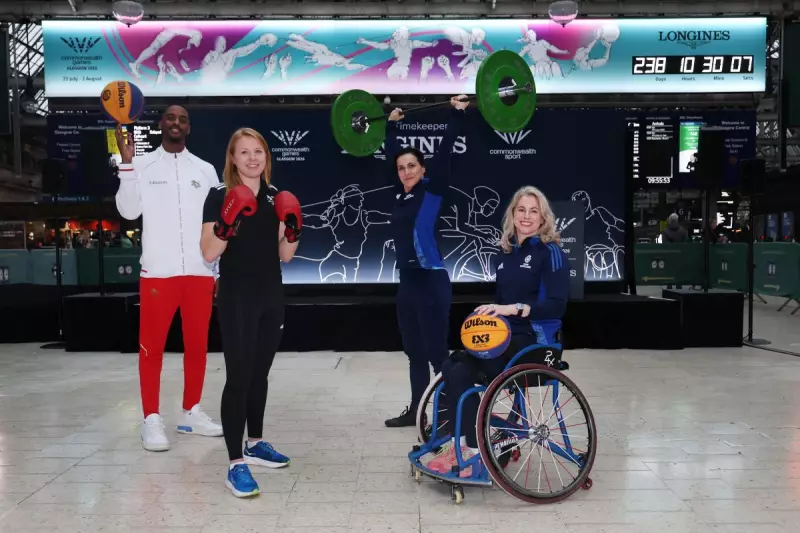
Commonwealth Games officials have publicly defended their decision to move broadcast coverage from the BBC to TNT Sports, marking a significant shift that concludes a seven-decade partnership with the national broadcaster. The move represents one of the most substantial changes in British sports broadcasting history, with the 2026 Glasgow Games becoming the first Commonwealth event in 70 years not primarily aired by the BBC.
End of an Era for BBC Coverage
The BBC had maintained exclusive broadcast rights since the 1954 edition, then known as the British Empire and Commonwealth Games, held in Vancouver. This summer's Glasgow competition will therefore conclude an 18-Games broadcasting streak for the corporation, moving behind a paywall on TNT Sports for the first time in the event's modern history.
Changing Consumption Patterns
Glasgow 2026 chief executive Phil Batty addressed the Digital, Culture, Media and Sport select committee on major events, explaining the rationale behind the controversial decision. "The way that sports fans consume sport is changing," Batty stated. "Not just in terms of subscription versus linear broadcasting, but also in how much content is consumed through social media and the storytelling of athletes."
Batty emphasised that the new arrangement with Warner Bros Discovery, TNT Sports' parent company, would actually broaden accessibility: "We've had a great commitment from Warner Bros Discovery to broaden the amount of sport that was visible to more people over the course of the 11 days of the Games. Historically it might only have been two or three sessions that were available. What moving to this new solution allows us to do is see more sports on air more of the time through that streaming solution."
Protected Free-to-Air Element
Despite the move to subscription-based TNT Sports, there will remain a free-to-air component to the coverage. The Commonwealth Games qualifies as a protected Category B event under government legislation, requiring some terrestrial broadcast availability. The games are being hosted in Glasgow after the Australian state of Victoria withdrew from hosting the quadrennial event.
Category B events do not mandate full coverage on free terrestrial channels but do require a significant element of it. The BBC confirmed in December that it would engage in discussions with Glasgow 2026 organisers about potentially serving as the free-to-air partner for the event.
Organisers' Responsibility for Accessibility
"We've got a responsibility as event organisers to make sure there are as many ways to access the games as possible," Batty added during his committee appearance. "Clearly that free-to-air element is still a fundamental part, and we're lucky that as a Category B event we've got that protection to be able to make sure that is still safeguarded."
The decision reflects broader trends in sports broadcasting, where traditional free-to-air models increasingly compete with subscription services offering more comprehensive coverage and digital streaming options. The Commonwealth Games move follows similar shifts in other major sporting events as broadcasters adapt to changing viewer habits and consumption patterns.