Colbert's CBS Interview with Senate Democrats Sparks Political Buzz
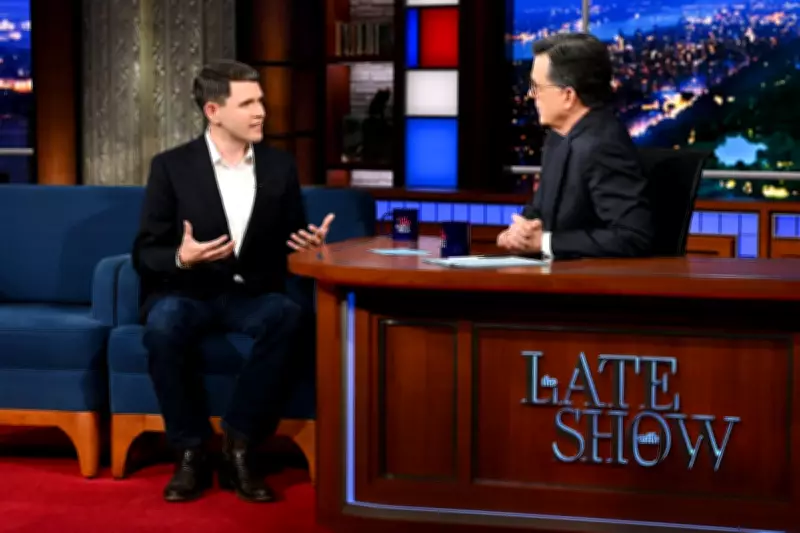
In a notable media event, Stephen Colbert recently conducted an interview with Senate Democrats on CBS, blending his signature comedic style with serious political discourse. This engagement has generated significant attention, highlighting the evolving role of late-night television in shaping public opinion and political narratives.
Unique Blend of Humor and Policy Insights
The interview provided a platform for Senate Democrats to discuss key legislative priorities, including economic policies, healthcare reforms, and environmental initiatives. Colbert's approach allowed for a more accessible and engaging conversation, reaching audiences who might not typically follow traditional political news. This format has been praised for its ability to humanize politicians and make complex issues more relatable to the general public.
Impact on Political Media Landscape
This event underscores the growing influence of entertainment media in politics, as figures like Colbert use their platforms to facilitate discussions on critical national issues. It reflects a trend where late-night shows are increasingly seen as spaces for substantive political dialogue, complementing more formal news outlets. The interview has sparked debates about the effectiveness of such formats in promoting civic engagement and informing voters.

Reactions and Broader Implications
Reactions to the interview have been mixed, with some applauding the innovative approach to political communication, while others question the depth of analysis possible in a comedic setting. Regardless, it has drawn attention to the strategies Democrats are employing to connect with diverse voter bases ahead of upcoming elections. This incident may encourage other political figures to explore similar media opportunities, potentially reshaping how campaigns and governance are communicated in the digital age.
Overall, Colbert's CBS interview with Senate Democrats serves as a case study in the intersection of entertainment and politics, offering insights into modern media dynamics and their implications for democratic processes.