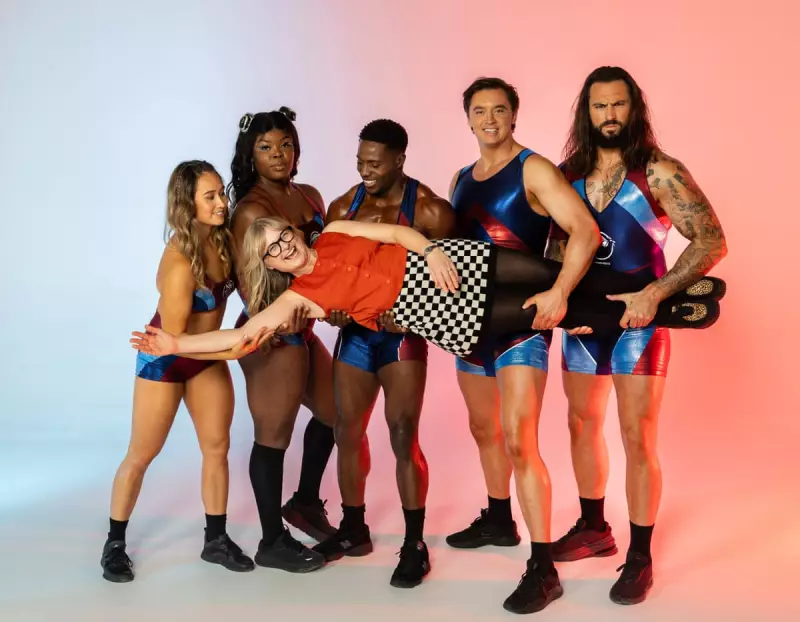
When the BBC announced the return of Gladiators in 2024, many critics dismissed it as a tired format revival. Yet, from its very first episode, the show defied expectations, drawing in almost nine million viewers and proving itself as a rare piece of unifying, joyous television. For superfan and journalist Helen Pidd, a trip behind the scenes at Sheffield Arena revealed the potent mix of nostalgia, spectacle, and modern inclusivity that fuels its success.
From 1992 to Sheffield Arena: A Superfan's Dream
For Pidd, the journey to the Gladiators set was decades in the making. "I've been waiting for this day since 1992," she declares, the year the original show muscled onto British Saturday night TV. The premise was simple but irresistible: superhuman bodybuilders with theatrical personas battled everyday fitness enthusiasts in absurdly entertaining games. It spawned playground catchphrases and defined a generation's viewing habits.
Attending a filming session in Sheffield, Pidd found an audience fully invested in the spectacle. From the ticket office attendant vetting her enthusiasm to families packing the stands, the atmosphere was one of collective fun. Her own dedication involved painting portraits of her favourite Gladiators in a bid to get on television. The magic, it seems, had not faded.
Meet the New Generation of Gladiators
The reboot's success hinges on its new cast of modern athletes, who balance their imposing physiques with carefully managed public personas. Pidd met several, including Apollo (Alex Gray), a 6ft 6in former rugby player with a boyband aesthetic and a self-proclaimed poetic streak. He embraces his status as a "gay icon" and is acutely aware of the responsibility that comes with the role, a sentiment echoed across the cast.
Post-Gregg Wallace and Strictly scandals, the BBC is taking no chances. The Gladiators are drug-tested each season and maintain clean-living reputations. Hammer (Tom Wilson), a champion indoor rower, insists nights out are off the agenda to prioritise fitness and recovery. Their income now largely comes from social media influencing, though Dynamite (Emily Steel) harbours musical ambitions.
The show has also thoughtfully expanded its diversity. Contender Aneila Afsar became the first hijabi to compete, while the Gladiators roster includes Sikh athlete Athena, deaf Gladiator Fury, and Chinese-born Viper. This inclusivity ensures a broader audience sees themselves reflected in the arena.
The Secret Sauce: Intergenerational Joy and Controlled Chaos
So why does it work? Apollo pinpoints the key: "You've brought us back together." In an age of fragmented viewing, Gladiators is a show families watch collectively. Parents relive their 90s memories while children, many born long after the original ended, are captivated by the sheer, uncomplicated spectacle.
Part of the appeal is the timeless drama of good versus evil. The new series has its villains in Viper and Legend, who channel the spirit of the original bad guy, Wolf. Pidd witnessed children screaming with "equal terror and delight" as Viper prowled the stands. Meanwhile, Gladiators like Cyclone (Lystus Ebosele) provide a refreshing image of powerful, space-occupying women.
But is the competition real? Former contender Aneila Afsar suggests the Gladiators might sometimes hold back. "If I'd been hit at 100% force, I probably wouldn't have lasted very long," she admits, referring to games like Powerball. The Gladiators themselves, however, insist they always try, though their size can be a disadvantage against quicker contenders. Injuries are common, with several Gladiators from the new series finishing filming on crutches or in slings.
For Helen Pidd, the experience culminated in being lifted aloft by five Gladiators for a photograph—a literal and metaphorical high point. In a world often dominated by bleak news, Gladiators offers a vibrant, spandex-clad antidote. It's a slice of silliness in scary times, proving that sometimes, the simplest formulas—strength, spectacle, and a touch of nostalgia—are the most powerful.