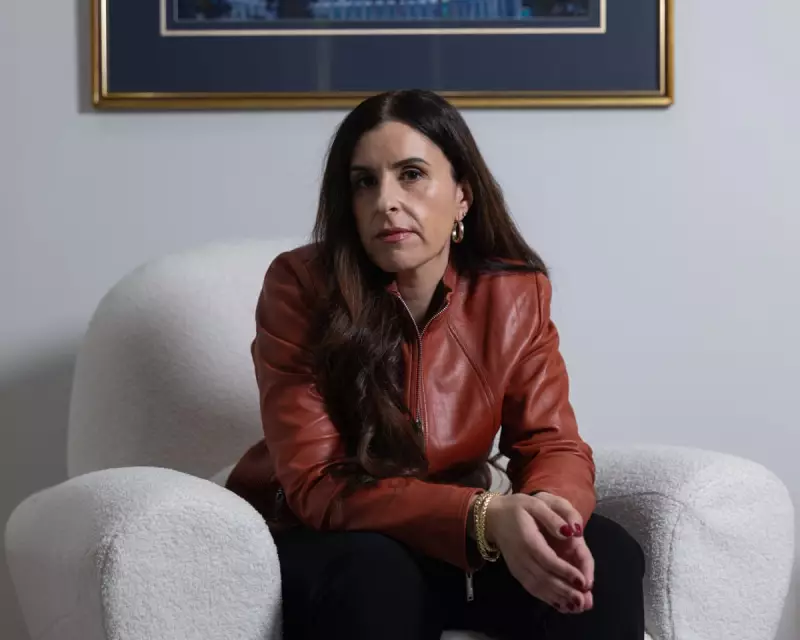
More than two dozen prominent authors, journalists, and a key sponsor have pulled out of Adelaide Writers' Week, staging a mass boycott in protest of the festival's decision to cancel the appearance of Palestinian Australian author and academic Randa Abdel-Fattah. The festival's board cited concerns over 'cultural sensitivity' in the wake of the recent Bondi terror attack, a move that has ignited a fierce backlash from the literary community.
A Wave of Withdrawals and Condemnation
The boycott gained rapid momentum, with withdrawals confirmed by Friday morning. The list of participants pulling out includes some of Australia's most respected literary figures. Miles Franklin Award-winning author Michelle de Kretser joined the protest, alongside high-profile commentators Jane Caro and Peter FitzSimons. They were followed by Cheek Media co-founder Hannah Ferguson, journalist and academic Peter Greste, First Nations writer Professor Chelsea Watego, and political reporter Amy Remeikis.
Authors Bri Lee and Madeleine Gray stated they would only participate if the festival reversed its decision and reinstated Abdel-Fattah. The boycott mirrors a similar mass walkout at the Bendigo Writers' Festival last year, which was co-curated by writer Evelyn Araluen, who was also among the first to withdraw from the Adelaide event.

The Festival's Controversial Decision
The controversy stems from a statement released by the Adelaide Festival board on Thursday. The board explained it had formed the view that it 'would not be culturally sensitive to continue to program her at this unprecedented time so soon after Bondi'. It stressed it was not suggesting Abdel-Fattah or her work had any connection to the tragedy but said the choice was made 'given her past statements'.
Abdel-Fattah, a Macquarie University academic and novelist, has previously faced criticism from some political and Jewish groups for her comments on Israel. She was due to appear at the festival next month after participating in several panels in 2023.
In a powerful response on ABC radio, Abdel-Fattah condemned the decision as 'egregious and unabashed anti-Palestinian' sentiment. 'I cannot believe in 2026, that I, a Palestinian who has witnessed my people’s livestream genocide for two years, am now having to say publicly ‘I have nothing to do with the Bondi atrocities',' she said. She has called for an apology, a retraction, and her reinstatement.
Divided Reactions and Broader Implications
The decision has sharply divided opinion. Former NSW Premier Bob Carr, a vocal critic of Israel's actions in Gaza, announced he would remain a speaker, supporting the board's 'not unreasonable' decision. He argued some of Abdel-Fattah's past statements were counterproductive to the Palestinian cause.
However, the backlash has been substantial. Author Hannah Kent, withdrawing in protest, labelled the axing a 'gross act of discrimination and censorship'. The public policy thinktank The Australia Institute withdrew its sponsorship for the 2026 event, stating the festival had previously 'promoted bravery, freedom of expression and the exchange of ideas'.
Critics highlighted the festival's previous defence of free speech, noting that in 2023, director Louise Adler resisted pressure to disinvite two Palestinian writers over their views. Evelyn Araluen stated the move betrayed the festival's democratic ethos, arguing that 'erasing Palestinians from public life in Australia won’t prevent antisemitism'.
With speculation that more high-profile figures may yet withdraw, the boycott presents a significant crisis for one of Australia's premier literary events, raising profound questions about censorship, cultural sensitivity, and the space for Palestinian voices in public discourse.