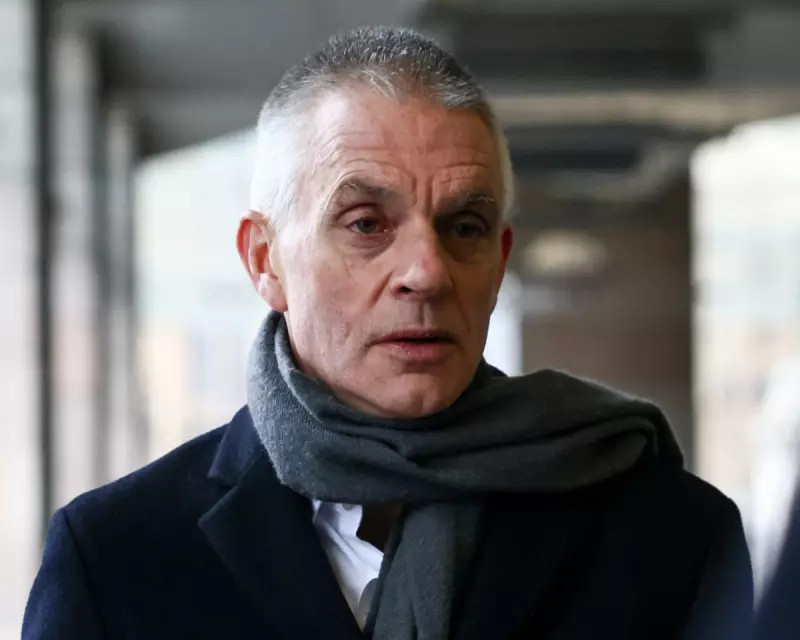
In a stark warning, the BBC's outgoing director general, Tim Davie, has declared that the broadcaster faces "profound jeopardy" over its future unless it embraces significant changes to its funding model. Speaking exclusively to the Guardian, Davie called for supporters to "stand up and fight" for the corporation amid increasing hostility from commercial and political critics.
Urgent Need for Reform
Davie emphasised that the BBC would be "in trouble" without serious reforms to its funding structure and greater flexibility in the services it offers. He stressed that simply increasing the licence fee amount is not the solution, stating, "We do want reform of the licence fee. However, we're not just about driving the amount we get from households higher." His biggest fear is that the BBC fails to reform adequately, leading to a lack of regulatory flexibility that could jeopardise its survival.
Rejecting Alternative Funding Models
Davie firmly rejected suggestions that the BBC should switch to advertising or subscription-based funding, options recently raised in a government paper. He argued that such models would undermine the broadcaster's universal service mandate, saying, "If you go to advertising or subscription, you're no longer a universal service. It's a societal choice." This stance highlights the BBC's commitment to remaining accessible to all households across the UK.
Exploring Progressive Changes
The BBC is currently examining ways to make the licence fee more progressive, potentially through a household levy collected via council tax, as suggested by BBC chair Samir Shah. This approach could eliminate the need for controversial enforcement visits and allow adjustments so that poorer groups pay less. However, it might also remove the option for households to opt out, sparking debate over its feasibility and fairness.
Independence and Governance
Amid concerns about political interference following his resignation and that of BBC News head Deborah Turness over the edit of a Donald Trump speech, Davie advocated for governance reforms to enhance the broadcaster's independence. He cited a survey of 40 million people, where independence was a top priority, reinforcing the public's desire for a BBC free from external pressures.
Financial and Competitive Pressures
The BBC is under significant financial strain, with the licence fee losing about one-third of its real value since 2010, and non-payment rates slowly rising. Davie is pushing for more leeway from the government and Ofcom to innovate as media consumption shifts to digital platforms. He warned that the "jeopardy is high," noting that irrelevance poses a "deathly" threat, and survival hinges on gaining "permission to reform."
Global Context and Future Leadership
Davie highlighted the global decline of public service media, describing the situation as "perilous" and emphasising the UK's unique position in maintaining a cohesive market. As the BBC searches for his successor, names in contention include former executives like Jay Hunt, Charlotte Moore, and Alex Mahon. The new leader will navigate charter negotiations amid heightened competition and political hostility, including from figures like Trump and Reform UK.
With the current charter expiring in 2027, Davie's intervention underscores the urgent need for a funding overhaul to ensure the BBC remains relevant and sustainable in a rapidly evolving media landscape.