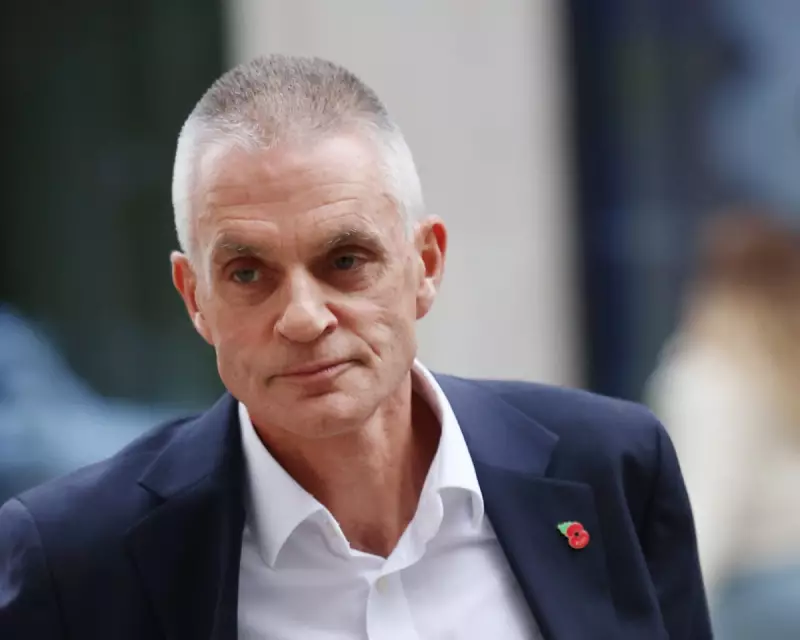
The BBC is approaching a critical leadership transition that could see its next director-general facing what experts call the 'glass cliff' phenomenon - where women and minority leaders are appointed during times of crisis when the chance of failure is highest.
What is the Glass Cliff Phenomenon?
The term 'glass cliff' describes a troubling pattern in corporate and organisational leadership. Women and ethnic minority candidates are more likely to be appointed to leadership positions during periods of crisis or downturn, setting them up for potential failure in roles that were already precarious.
This concept was first identified by researchers at the University of Exeter in 2005 and has since been observed across multiple sectors, including politics, business, and now potentially at Britain's national broadcaster.
Current Director-General Tim Davie announced his departure in November 2025, having served since 2021. His tenure saw significant challenges, including ongoing funding disputes, political pressure, and the constant evolution of the digital media landscape.
The BBC's Leadership Crossroads
As the BBC searches for Davie's replacement, the organisation stands at a critical juncture. The broadcaster faces multiple pressing issues that will confront whoever takes the helm.
The funding model remains a central concern, with the licence fee settlement due for renewal and increasing pressure to find sustainable alternatives in an era of streaming dominance and fragmented audiences.
Political scrutiny continues to intensify, with the BBC navigating complex relationships with government while maintaining its editorial independence. The challenge of remaining relevant to younger audiences who increasingly turn to digital platforms adds another layer of complexity to the incoming leader's task.
Diversity and Representation in Broadcasting
The BBC has made public commitments to improving diversity within its workforce and leadership. However, critics argue that progress has been insufficient, particularly at the most senior levels.
Miriam Turner, co-executive director at Friends of the Earth, commented on the situation, noting that "when women and people of colour are appointed to top jobs, it's often when an organisation is in trouble."
This creates a double bind: organisations face criticism for lacking diversity, but when they do appoint diverse leaders, it's often in circumstances that make success more difficult to achieve.
The broadcasting industry as a whole continues to grapple with representation issues. While there have been improvements in on-screen diversity, decision-making roles remain predominantly white and male, particularly in technical and leadership positions.
The Path Forward for the BBC
Whoever assumes the director-general role will need to address both immediate operational challenges and long-term strategic questions about the BBC's purpose and funding.
The successful candidate must navigate the delicate balance between public service remit and commercial realities, all while maintaining audience trust in an increasingly polarised media environment.
As Professor Marlieke van Joolingen from Rotterdam School of Management observes, the glass cliff pattern often goes unrecognised by those making appointments, who may genuinely believe they're making progressive choices while inadvertently setting up their chosen candidates for greater scrutiny and potential failure.
The BBC's choice of its next leader will signal not only the direction of the broadcaster but also its commitment to meaningful, sustainable diversity in leadership - rather than simply appointing diverse faces to manage decline.