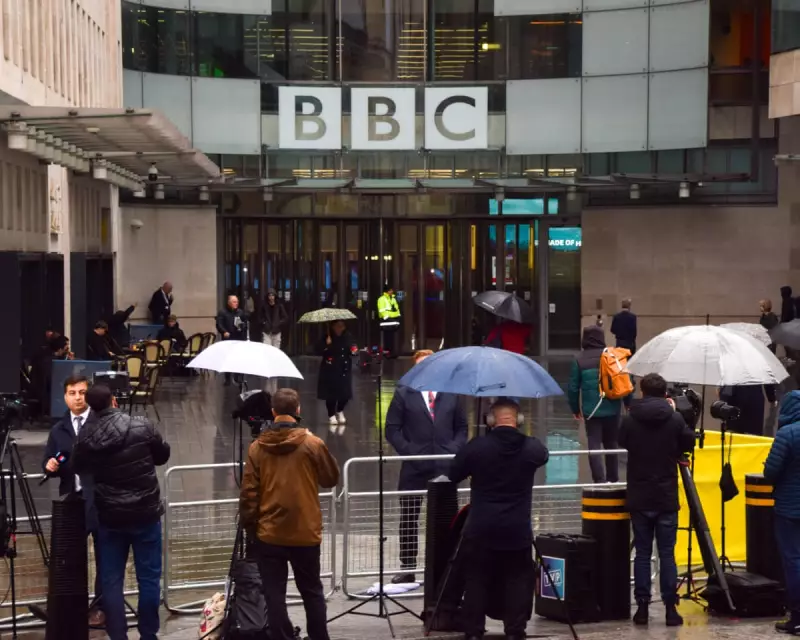
The British Broadcasting Corporation, one of the world's most respected media institutions, finds itself in increasingly perilous waters. The broadcaster faces what many are calling an existential threat from political forces and funding challenges that could fundamentally alter its role in British society.
A Legacy Under Threat
For nearly a century, the BBC has served as a cornerstone of British cultural and democratic life. Founded in 1922, it has grown into a global symbol of quality journalism and impartial broadcasting. However, this legacy now faces unprecedented challenges that could undermine its very existence.
The broadcaster operates under a royal charter that requires it to serve the public interest, promoting education and culture while maintaining editorial independence. This model has long been admired worldwide, but recent political developments have placed this structure under severe strain.
The Funding Battle and Political Pressure
At the heart of the current crisis lies the contentious issue of BBC funding. The licence fee model, which has sustained the corporation for decades, faces growing criticism from political quarters. Some government figures have openly questioned whether this funding method remains fit for purpose in the digital age.
The threat extends beyond mere funding debates. There are genuine concerns about political interference in the broadcaster's editorial independence. Recent years have seen increasing pressure from government officials unhappy with the BBC's coverage of sensitive political matters.
This situation creates a dangerous precedent for media freedom in Britain. When a public broadcaster cannot operate without fear of political retribution, the very foundations of democratic discourse begin to crumble.
Why Defence Matters for British Democracy
The attack on the BBC represents more than just an institutional struggle—it strikes at the heart of truth-telling in British society. The broadcaster's role in verifying facts and providing balanced coverage becomes increasingly vital in an era of misinformation and polarised media.
Britain must recognise what is at stake: the loss of the BBC would mean surrendering a crucial public space where facts matter and diverse voices can be heard. It would leave the country without its most trusted source of news and cultural content.
The international implications are equally significant. The BBC World Service and other global operations project British values and perspectives worldwide. Diminishing the corporation's capabilities would reduce Britain's soft power on the global stage.
As the debate continues, citizens and policymakers alike must consider what kind of media landscape they want for future generations. The choice is between preserving an institution that serves all citizens or allowing it to be weakened beyond repair by short-term political considerations.
The defence of the BBC is fundamentally about defending the principle that truth and impartiality matter in public discourse. It's about ensuring that Britain maintains a media institution that puts public service above commercial or political interests.