BBC's BAFTA Broadcast Sparks Outrage Over Racial Slur Incident
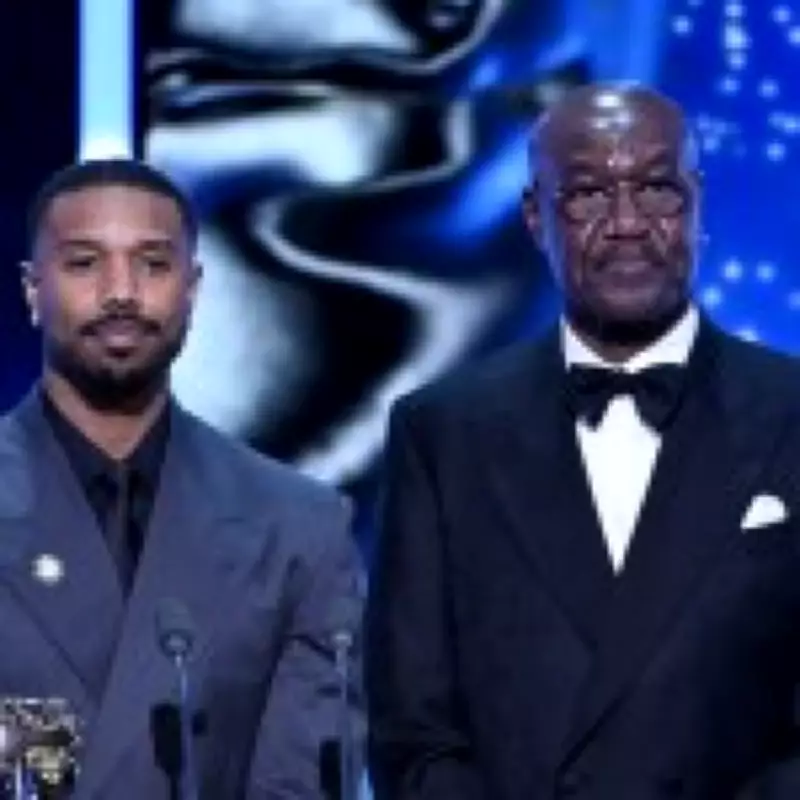
The BBC is under intense scrutiny following its decision to air a racial slur during the BAFTA Film Awards on Sunday, February 23, 2026. The incident, which involved a guest with Tourette's syndrome shouting the N-word while actors Delroy Lindo and Michael B. Jordan presented an award, has been described as deeply painful and entirely avoidable. Critics argue that the broadcaster failed in its duty of care to the Black actors on stage, other attendees, and millions of viewers at home.
Editorial Lapses and Accountability Questions
What makes this situation particularly troubling is that the programme was broadcast on a two-hour delay, giving the BBC ample opportunity to remove the offensive language before transmission. Instead, the slur made it to air, leading to widespread condemnation. Labour MP Dawn Butler has demanded answers from the BBC, emphasizing that this is not about blaming the disabled guest but about holding the broadcaster accountable for its editorial choices.
The N-word carries a violent historical legacy and continues to inflict harm on Black communities, making its broadcast unacceptable. Reports from attendees indicate that the incident created a traumatizing atmosphere in the room, a pain that was then amplified globally due to the BBC's decision to air it.

Contrasting Editorial Decisions Raise Concerns
Further complicating the matter, the BBC edited out other content from the ceremony, including a political acceptance speech by Akinola Davies Jr. that referenced global conflicts and a second racial slur that was caught and removed. This selective editing has led to accusations of bias, with critics questioning why a racial slur was deemed acceptable for broadcast while a political statement was not.
The BBC's response has been widely criticized as inadequate, with claims that producers "simply did not hear" the slur despite audio links and an on-stage apology from host Alan Cumming. Additionally, representatives from Warner Bros., the production firm behind the film Sinners, reportedly flagged concerns immediately after the incident, suggesting a failure in protocol.
Calls for Diversity and Systemic Change
This incident highlights broader issues of diversity within decision-making rooms at the BBC. When such spaces lack lived experience, harms against marginalized groups are more likely to be overlooked. Michael B. Jordan and Delroy Lindo, who bore the brunt of this moment, have been denied proper acknowledgement and consolation, underscoring a pattern where Black pain is often minimized.
Dawn Butler has called for a full explanation and a direct apology to the affected actors, stressing that accountability is essential to prevent future occurrences. She also expressed concern for John Davidson, the guest with Tourette's syndrome, who has been exposed in a cruel manner and deserves support.
As the digital footage remains accessible, the BBC's failure to meet public service broadcasting standards has left an indelible mark. The broadcaster must now address how such a serious lapse occurred and implement changes to ensure it never happens again.