A storm of controversy has engulfed the BBC, leading to the departure of two of its most senior leaders and raising serious questions about the influence of one man: Sir Robbie Gibb, a non-executive director on the BBC board.
A Week of Turmoil at the Broadcaster
The crisis unfolded in a week that saw the corporation issue a formal apology to the President of the United States. This related to an edited clip of a speech the president gave to his followers on 6 January 2021. The fallout was immediate and severe, contributing to a destabilising period for the national broadcaster.
This apology coincided with the exit of the BBC's director general and its chief executive. The rapid succession of these high-profile departures has fuelled intense speculation within media circles, with rumours swirling that the executives were ousted as part of a deliberate 'inside job'. The alleged mastermind of this internal manoeuvring is said to be Sir Robbie Gibb.
Pushing Back Against the 'Nonsense'
However, these claims have been met with fierce rebuttal. A friend of Sir Robbie has spoken out, describing the suggestions of an 'inside job' to the news website Deadline as 'absolute nonsense'. This defence sets the stage for a deeply contentious internal battle over the narrative of what truly transpired.
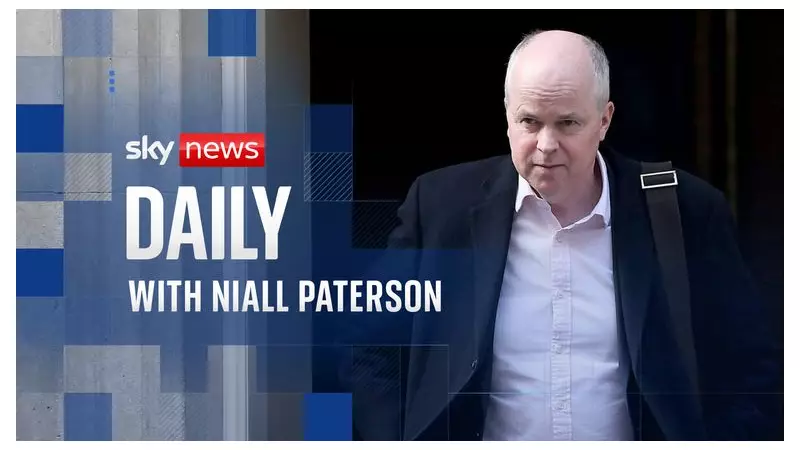
The situation has drawn significant analytical attention. In a recent episode of the Sky News Daily podcast, presenter Niall was joined by Jake Kanter, the international investigations editor at Deadline. Their discussion delved into Sir Robbie Gibb's role at the BBC and examined the reasons why his position and influence are viewed as particularly controversial.
The Lingering Questions
The convergence of these events—the apology over the edited clip, the dual senior departures, and the pointed rumours—paints a picture of an institution in significant flux. The central figure, Sir Robbie Gibb, now finds himself under an unforgiving spotlight.
As the BBC works to steady itself, the media and public are left to ponder the true power dynamics at play within one of Britain's most important cultural institutions. The claims and counter-claims ensure that this story is far from over.