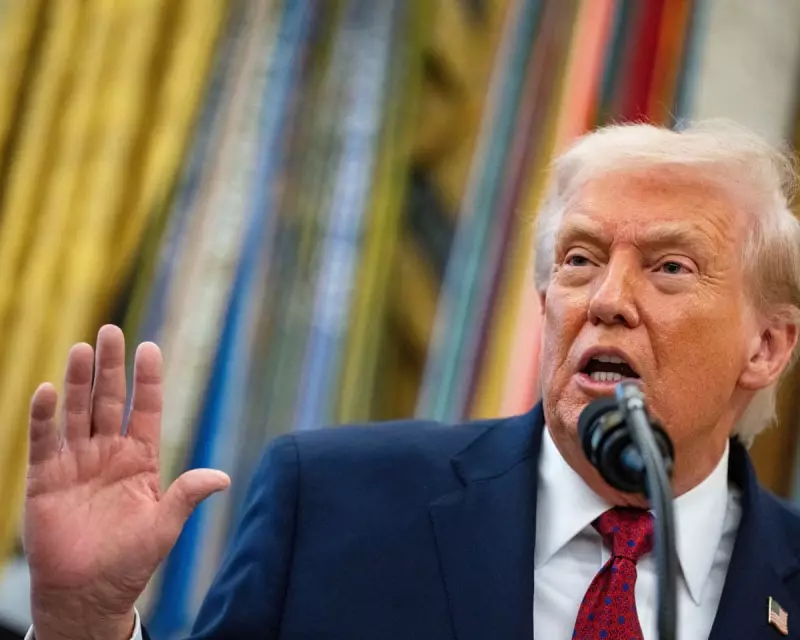
The BBC is gearing up for a major legal battle, announcing it will fight to have a $10bn lawsuit filed by Donald Trump dismissed. The former US president alleges a Panorama documentary caused him significant reputational and financial damage.
The Core of the Legal Dispute
Trump filed a 33-page complaint in a Florida court on Monday, accusing the broadcaster of a "false, defamatory, deceptive, disparaging, inflammatory and malicious depiction" in the programme Trump: A Second Chance?. The documentary, broadcast before the 2024 US presidential election, controversially edited together two parts of his January 6 speech, creating the impression he directly urged the crowd to march on the Capitol.
The BBC's legal team is expected to argue the case should be thrown out on several grounds. Crucially, they will state the corporation did not have the rights to air the film in the United States, with US audiences blocked from accessing it on iPlayer. They will also contend that Trump could not have suffered serious reputational harm given he went on to win the 2024 presidential election, even increasing his vote share in Florida.
Timing and Broader Implications
The lawsuit comes at a sensitive time for the BBC, which is searching for a new director general following the resignations of Tim Davie and head of news Deborah Turness in the fallout from the edited Panorama episode. It also coincides with the government launching the process to renew the BBC's charter, which will re-examine its funding model.
Trump's suit claims the edit caused "massive economic damage to his brand value" and violated Florida's Deceptive and Unfair Trade Practices Act. It suggests Floridians may have seen it via VPNs or the BritBox streaming service. The BBC has noted that the version distributed internationally by Blue Ant Media did not contain the contentious edit.
While BBC chair Samir Shah has personally apologised for the "mistaken impression" created, the corporation's lawyers maintain it did not defame Trump. The lawsuit also cites former prime minister Liz Truss, alleging the BBC is "institutionally biased" against Trump.
Political Reactions and Legal Opinions
In the UK, Prime Minister Keir Starmer has faced pressure to support the BBC, with figures like shadow culture secretary Nigel Huddleston urging him to use his relationship with Trump to dissuade the legal action. Health minister Stephen Kinnock said it was "right that the BBC stand firm".
Legal experts are sceptical of the suit's merits. International media lawyer Mark Stephens called the claim "meritless", suggesting Trump seeks political gain rather than financial compensation. He predicted the BBC would file motions to dismiss, citing "lots of legal defects in the complaint". However, Trump ally Chris Ruddy of Newsmax argued it would be cheaper for the BBC to settle.
Former BBC Radio controller Mark Damazer warned that offering a settlement would be "extremely damaging" to the broadcaster's reputation for editorial independence. The BBC's board and legal department are now working closely on formulating their full response to the Florida court.