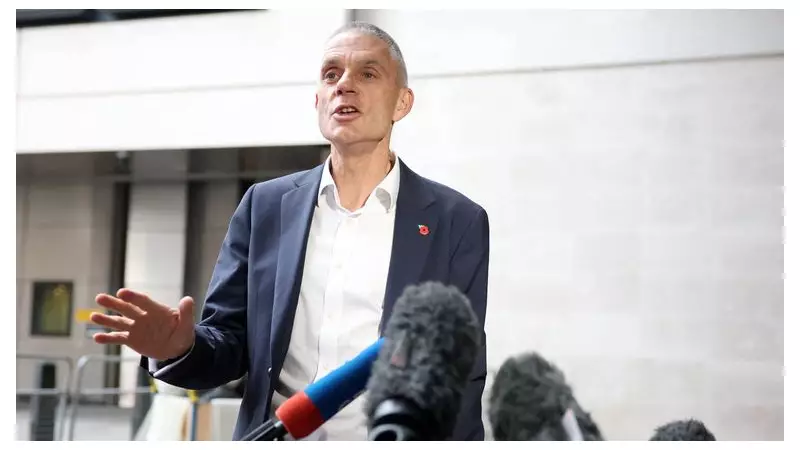
Outgoing BBC director-general Tim Davie has struck an remarkably upbeat tone during his first address to staff following his resignation announcement, despite the corporation facing one of its most challenging periods in recent memory.
Defiant optimism amid crisis
During an all-staff call on Tuesday 11 November 2025, Davie repeatedly used the word "proud" nearly a dozen times within minutes, expressing pride in both his staff and what the BBC represents as an institution. The director-general, who announced his resignation on Sunday, insisted he remained firmly in charge and would ensure a smooth transition for his successor.
Despite admitting it had been "a rough few days" for the broadcaster, observers noted his unusually chipper demeanour seemed somewhat bizarre given the circumstances. Davie firmly declared that "this narrative will not be given by our enemies," indicating his determination to control the BBC's story during this turbulent period.
Staff frustration boils over
Multiple insiders have revealed that BBC employees have grown increasingly weary of what they describe as Davie's "nothing to see here" approach to leadership throughout his tenure. Rather than finding inspiration in his optimistic words, many staff members expressed both weariness and relief that his departure was finally confirmed.
One insider told Sky News that Davie's departure was "long overdue," reflecting the depth of frustration within the organisation. The sentiment emerges as the BBC attempts to present a united front despite embarrassing rumours of boardroom coups and behind-the-scenes plotting.
Controversial Q&A and board tensions
The staff briefing, intended as an opportunity for employees to question leadership, instead became another point of contention. BBC chair Samir Shah attempted to dismiss what he called "conspiracy theories" about boardroom plotting, while suggesting criticism of the board was "disrespectful" when responding to questions about whether members demonstrated BBC values.
However, the Q&A format itself raised eyebrows among staff. Although a comments box was provided for questions, submissions required review before becoming visible to all participants. When questions concerning board member Sir Robbie Gibb - rumoured to be at the centre of plotting allegations - failed to appear, staff began attempting to ask questions publicly in reply boxes.
A friend of Gibb's subsequently told Deadline that the coup theory was "absolute nonsense," but the incident highlighted the tense atmosphere within the corporation. With the BBC facing significant external pressure and internal discontent, leadership's calls for unity and assurances that the organisation can weather the storm are falling on increasingly sceptical ears.
As Tim Davie prepares to depart, it's clear that rebuilding staff trust and navigating the BBC through its current challenges will require more than optimistic words and proud declarations from whoever steps into his role next.