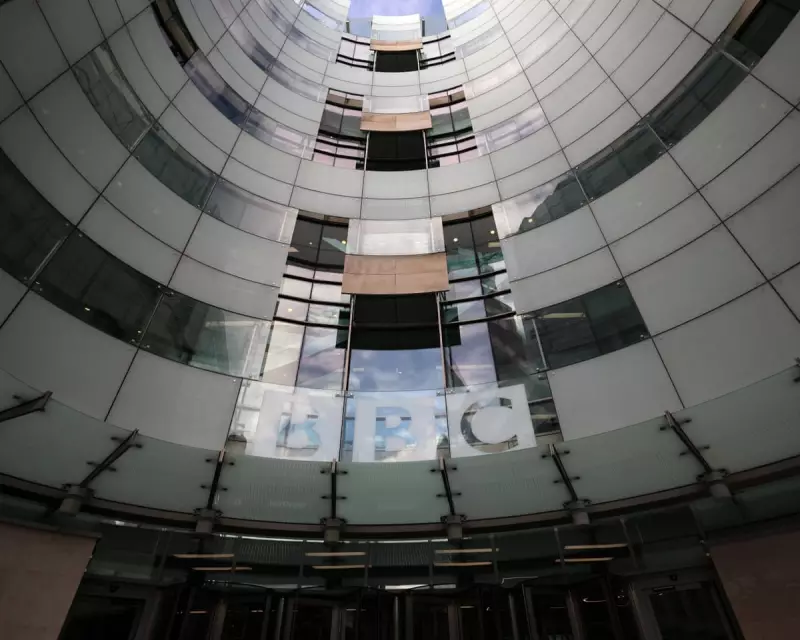
A BBC journalist at the forefront of the corporation's reporting on gender dysphoria has publicly questioned claims of "systemic bias" within the BBC regarding transgender issues, stating her team produced a significant body of work without internal obstruction.
The Leaked Memo and Its Fallout
The controversy stems from a memo authored by Michael Prescott, a former independent external adviser to the BBC’s editorial guidelines and standards committee (EGSC). Leaked to the Daily Telegraph, Prescott's document alleged there were "serious and systemic problems" of bias at the broadcaster.
He claimed a "constant drip-feed of one-sided stories" displayed a bias towards a pro-trans rights lobby and pointed to "effective censorship" on the topic within the BBC. The leak ultimately led to the resignations of the BBC’s director general, Tim Davie, and the head of BBC News, Deborah Turness.
Reporter's First-Hand Account Contradicts Allegations
However, Deborah Cohen, a reporter who covered contentious topics around gender dysphoria and its treatment, has presented a contrasting narrative. She stated that the BBC ran a series of her reports and that she experienced no attempts to stop or shape her journalism.
"The Prescott report highlights a couple of examples of stories that the BBC didn’t do on critical issues. It fails to point out the large number of impactful stories we did do," Cohen told the Guardian.
She emphasised that during the peak of polarisation on the issue, the BBC was one of the few national outlets reporting critically on the clinical and evidence-based aspects of gender medicine. Cohen noted that other specialist journalists found the subject "too toxic to go near."
Her reports were broadcast on programmes including Newsnight and File on 4 and published online. Additional coverage appeared on The World at One and Woman’s Hour.
Collaborative Effort and External Pressures
Cohen described the work as a "collaborative effort" involving colleagues such as Hannah Barnes, Emily Maitlis, and Esme Wren. When asked if there were internal attempts to influence her reporting, she responded, "Not in my experience. If there was, I was shielded from it. The editorial focus was always on evidence."
She also addressed the claim that their work did not feature across all BBC output, explaining that it is common for major health investigations not to be carried on every programme, and this does not equate to suppression. Cohen concluded that any pressure she experienced came overwhelmingly from outside the BBC.
Meanwhile, Michael Prescott has stated his memo was not politically motivated but born from frustration at the BBC's lack of action. He has been called to give evidence before the Commons culture, media and sport committee to discuss his claims.