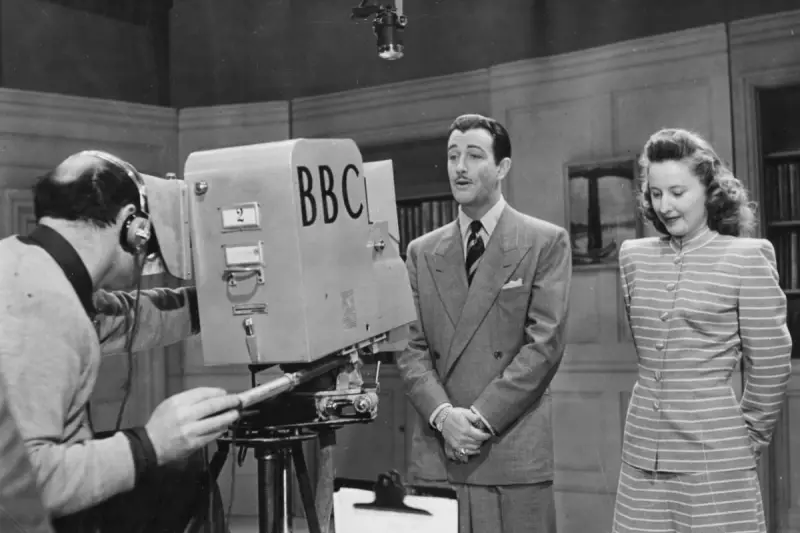
The Battle Over the BBC's Future
The BBC finds itself at a critical crossroads as arguments intensify over its fundamental funding structure. With the corporation collecting nearly £4 billion through the television licence fee in 2024-25, pressure is mounting for radical reform. The debate pits those advocating for a modern subscription model against defenders of the current system who argue it represents exceptional value.
The Case for Scrapping the Fee
Jonathan Eida, a researcher at the Taxpayers' Alliance, presents a compelling argument for abolition. He describes the licence fee as an outdated relic in an era dominated by streaming services where consumers prefer paying only for content they actually want.
Eida highlights significant concerns about the BBC's impartiality and global influence. Recent scandals have damaged the corporation's credibility, with accusations that its reputation has been used to legitimise terrorist organisations and spread propaganda. He argues this isn't what licence fee payers support.
The researcher dismisses suggestions that replacing senior management would solve institutional bias problems. The problem runs far deeper than a few bad apples, he contends, with bias becoming embedded across the organisation and normalised by multiple management layers.
Defending the Value of Public Broadcasting
University of Westminster Professor Steven Barnett presents the counter-argument, reminding Britons what they receive for their weekly payment of £3.35 - equivalent to half a pint of average London beer.
Beyond news, the BBC delivers entertainment watched by millions, including:
- Captivating shows like Celebrity Traitors, watched by one in four adults
- Strictly Come Dancing, regularly attracting over 5 million viewers
- EastEnders, consistently pulling audiences well over 3 million
The professor emphasises the comprehensive service provided, from BBC Bitesize educational support for ages 3-16 to extensive radio networks and sports coverage - all without advertising interruptions. All of this belongs to the British public, not American corporations or global conglomerates.
On journalism, Barnett acknowledges occasional mistakes but maintains the BBC remains by far the most trusted news source in the UK and is admired worldwide. Its news website provides accurate, impartial information crucial in combating social media disinformation.
The Verdict and Broader Context
The funding model faces intensified scrutiny following a leaked memo, senior resignations, and even legal threats from the US President. While Eida correctly notes the market has evolved toward subscription models, the BBC represents more than just another streaming service.
Current events demonstrate the corporation remains accountable to taxpayers, evidenced by recent high-level departures. Meanwhile, Barnett's trust argument holds weight - even among right-leaning audiences who trust the BBC slightly less, it remains as trusted as major conservative newspapers.
The British public appears reluctant to abandon Auntie Beeb entirely, despite recognising the need for ongoing scrutiny and improvement. The debate continues as the broadcaster navigates its existential crisis while maintaining its position as a cornerstone of British cultural life.