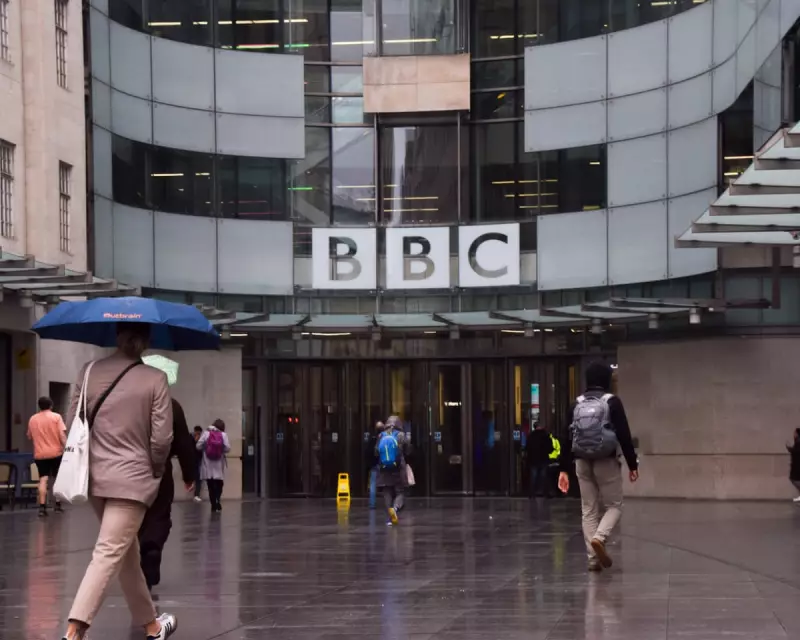
The BBC is navigating one of its most severe leadership crises in years following the abrupt departures of director general Tim Davie and head of news Deborah Turness. Their resignations on Sunday came after a week of intense criticism orchestrated by right-wing media outlets and figures closely aligned with the Conservative party, particularly those from Boris Johnson's administration.
Political Pressure and Internal Governance Failures
The immediate trigger was a letter compiled by Michael Prescott, a BBC editorial adviser appointed by board member Robbie Gibb. Prescott's document listed alleged editorial failings, focusing on coverage of transgender rights, Donald Trump, and Israel's war in Gaza. This criticism originated from a specific political perspective, arguing the BBC had become too liberal.
BBC chair Samir Shah responded by apologising for a poorly edited clip of Donald Trump that "gave the impression of a direct call for violent action" and promised a comprehensive review of all issues raised in Prescott's memo. However, the situation revealed deeper problems within the BBC's governance structure.
Robbie Gibb, who previously helped launch GB News and served as head of communications under Theresa May, sits on the BBC's 13-member board. The panel including Gibb appointed Prescott to his advisory role, creating a chain of events that critics argue has steered the corporation rightwards amidst a board largely focused on commercial revenues rather than editorial integrity.
Comparing Crises: Why This Time Is Different
While the BBC has faced previous leadership crises – including Greg Dyke's 2004 resignation after the Hutton inquiry and George Entwistle's departure after just 54 days in 2012 – the current situation differs significantly. The scale of fallout stems less from the original editing mistake and more from the political machinery surrounding it.
Guardian media editor Michael Savage explained: "The Johnson administration appoints someone with a particular point of view; he then appoints Prescott; then that person publishes a critical letter; and the BBC's opponents use it to attack the organisation." This sequence created what Savage describes as an "extraordinary outcome" despite the relatively minor nature of the original infraction compared to historical crises.
Charter Renewal Looming: Implications for the BBC's Future
The crisis arrives at the worst possible moment, with the BBC's charter renewal scheduled for 2027. The corporation finds itself leaderless just as the government must decide its funding model and purpose. A BBC with reduced funding and smaller national footprint has long been an objective for some on the political right.
The fundamental question remains whether the government will defend the BBC's independence in an increasingly hostile environment. Downing Street recently offered some reassurance, with the prime minister's spokesperson affirming the need for "a robust, impartial British news service." However, the corporation faces additional challenges, including a legal threat from Donald Trump seeking damages of "no less" than $1 billion.
Deborah Turness defended BBC staff before her departure, stating: "BBC News is not institutionally biased. Our journalists are hard-working people who strive for impartiality, and I will stand by their journalism. Mistakes are made, but there's no institutional bias." Yet the perception of weakness persists after management failed to mount a robust defence against the accusations.
The Impossible Job: Finding New Leadership
With both senior positions vacant, the BBC faces enormous challenges in recruitment. The director general role has become constitutionally crucial, requiring someone who can handle intense political pressure while guiding the corporation through charter renewal negotiations and maintaining its role in combating misinformation.
As Savage noted: "It's an absolutely crucial decision. So you need someone with experience, a big figure who can handle those issues and the ongoing political pressure. Does such a person exist? It's going to be very hard to find them in these circumstances."
The BBC's future hangs in the balance as it confronts simultaneous crises of leadership, governance, and political pressure at this critical juncture for British public service broadcasting.