BBC Leadership Crisis Following Trump Speech Editing Scandal
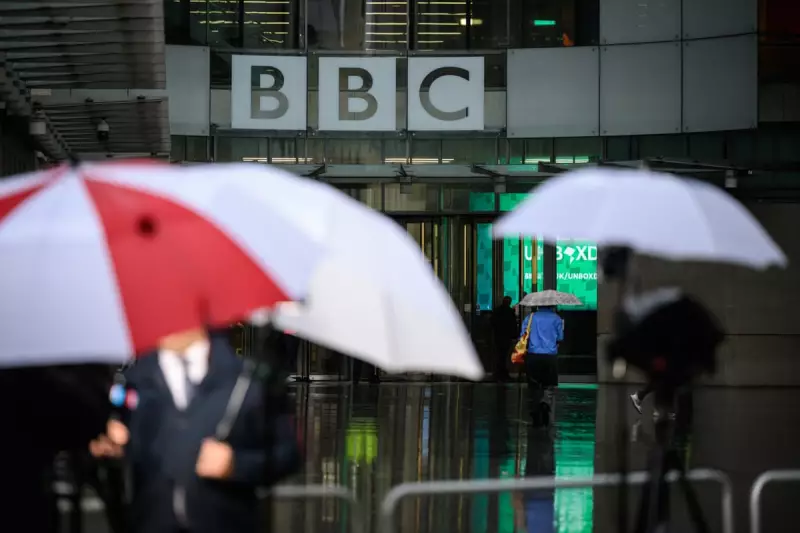
The British Broadcasting Corporation is facing one of its most significant crises in recent history after the revelation that editors manipulated footage of Donald Trump's January 6 speech. The controversy has prompted the resignation of several top BBC executives and sparked international debate about media impartiality.
According to documents obtained by the Telegraph, a former external adviser to the BBC's editorial standards committee identified multiple instances of alleged bias, including the crucial edit of Trump's address to supporters on that fateful day in 2021.
The Controversial Edit That Shook the BBC
During a broadcast of the Panorama news programme before the 2024 election, producers edited together two sentences from Trump's speech that were actually delivered 54 minutes apart. This creative editing made it appear as though the former president directly instructed his followers to walk to the US Capitol and "fight like hell" in immediate succession.
The manipulated broadcast omitted crucial context from Trump's lengthy address, where he specifically mentioned protesting "peacefully and patriotically" at one point. Following the speech, thousands of supporters descended on the Capitol building, resulting in violent clashes with police and five fatalities within days.
BBC chair Samir Shah has publicly described the editing decision as an "error in judgement" that violated the broadcaster's commitment to impartiality. As a publicly funded organisation, the BBC operates under strict requirements to maintain balanced reporting.
Trump's Reaction and Legal Threats
The former US president has seized upon the controversy to reinforce his longstanding claims of media bias. In a characteristically fiery post on Truth Social, Trump celebrated the resignations of BBC leadership while threatening legal action against the broadcaster.
"The TOP people in the BBC, including TIM DAVIE, the BOSS, are all quitting/FIRED, because they were caught 'doctoring' my very good (PERFECT!) speech of January 6th," Trump wrote. He thanked the Telegraph for exposing what he called "corrupt journalists" and emphasised the international dimension of the scandal.
Trump's attorney, Alejandro Brito, has sent a formal letter demanding the BBC fully retract the documentary, issue a public apology, and provide "appropriate compensation" for the harm caused. The letter threatens a $1 billion lawsuit if these demands aren't met.
Broader Context of Trump's Media Campaigns
This incident represents another chapter in Trump's ongoing battles with media organisations. The former president has previously:
- Sued CBS over a 60 Minutes interview with Kamala Harris, resulting in a $16 million settlement
- Settled litigation against ABC News regarding coverage of his sexual assault case
- Filed suit against the Des Moines Register over polling methodology
These legal actions form part of a broader pattern where Trump has challenged media organisations over their editorial decisions, often achieving significant settlements that critics argue undermine journalistic independence.
January 6 Speech: What Actually Happened
On January 6, 2021, Trump addressed supporters who believed the 2020 election had been stolen from him. Throughout his speech, he repeatedly used the word "fight" and told the crowd: "We fight like hell and if you don't fight like hell, you're not going to have a country anymore."
The congressional January 6 committee investigation revealed that Trump's speechwriters had inserted the "peacefully and patriotically" language, while the calls to fight represented Trump's own additions. The committee noted Trump spent approximately 50 minutes amplifying his claims of election fraud after mentioning peaceful protest.
According to watchdog group Citizens for Responsibility and Ethics in Washington, at least 210 defendants in January 6 cases stated they were responding to Trump's calls when they travelled to Washington DC.
The BBC editing scandal has provided Trump with fresh ammunition for his narrative about media bias while raising serious questions about editorial standards at one of Britain's most respected institutions. As the fallout continues, the incident highlights the ongoing tensions between political figures and media organisations in an increasingly polarised landscape.