BBC Faces Billion-Dollar Legal Showdown With Former US President
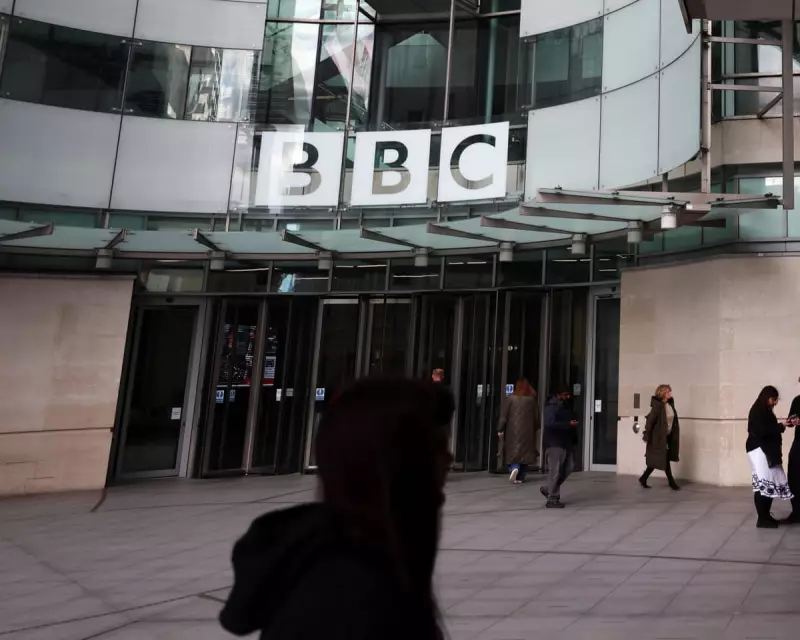
The BBC leadership confronts an unprecedented legal challenge as former US President Donald Trump threatens a billion-dollar lawsuit over the editing of one of his speeches in a Panorama episode. Corporation insiders reveal the BBC is prepared to issue a formal apology to resolve the dispute, while simultaneously defending its journalistic integrity.
The Controversial Edit That Sparked International Fury
At the heart of the conflict lies a Panorama broadcast from last year that spliced together sections of Trump's 6 January 2021 speech, creating the impression he directly encouraged supporters to storm the US Capitol. The edited clip showed Trump telling the crowd: "We're going to walk down to the Capitol and I'll be there with you, and we fight. We fight like hell." However, these words were taken from segments of his speech that occurred almost an hour apart.
The BBC has internally concluded that the edit "gave the impression that President Trump had made a direct call for violent action". This admission proved significant enough to contribute to the resignations of both director general Tim Davie and head of news Deborah Turness, marking one of the most consequential editorial missteps in recent BBC history.
Balancing Apology With Journalistic Defence
According to Guardian sources, senior BBC figures believe there's no barrier to issuing a more personal apology to Trump in their official legal response, particularly since BBC chair Samir Shah has already acknowledged the editing error. However, the corporation also plans to defend its broader journalism robustly against Trump's allegations of publishing "false, defamatory, disparaging, and inflammatory statements".
The timing creates particular pressure as the BBC faces a looming deadline to respond to the legal threat filed in a Florida court. Insiders acknowledge the corporation faces an invidious choice between public battle or settlement that could appear politically toxic for a publicly-funded organisation.
Trump has intensified his legal position, telling Fox News: "I guess I have to sue the BBC. They defrauded the public and they've admitted it." He added that the editing was "very dishonest" and noted the subsequent departures of senior BBC staff.
Legal Complexities and Political Ramifications
Legal experts question Trump's prospects for success, citing several significant hurdles:
- Florida's liberal libel laws make defamation claims difficult to prove
- The Panorama episode wasn't available in Florida, creating jurisdiction issues
- The broadcast occurred too long ago for UK legal action
- Trump would need to demonstrate actual damage from the programme
The controversy extends beyond this single incident, with Trump's allies accusing the BBC of publishing "fake news" about him more broadly. The corporation maintains insurance for legal challenges to its journalism, but insiders acknowledge concerns about mounting legal costs should litigation extend for months.
This case emerges alongside Trump's other legal actions against major media outlets, including the New York Times and Wall Street Journal, with several networks opting to settle rather than fight lengthy court battles. The BBC's response will be closely watched as a test case for how media organisations handle legal threats from powerful political figures.