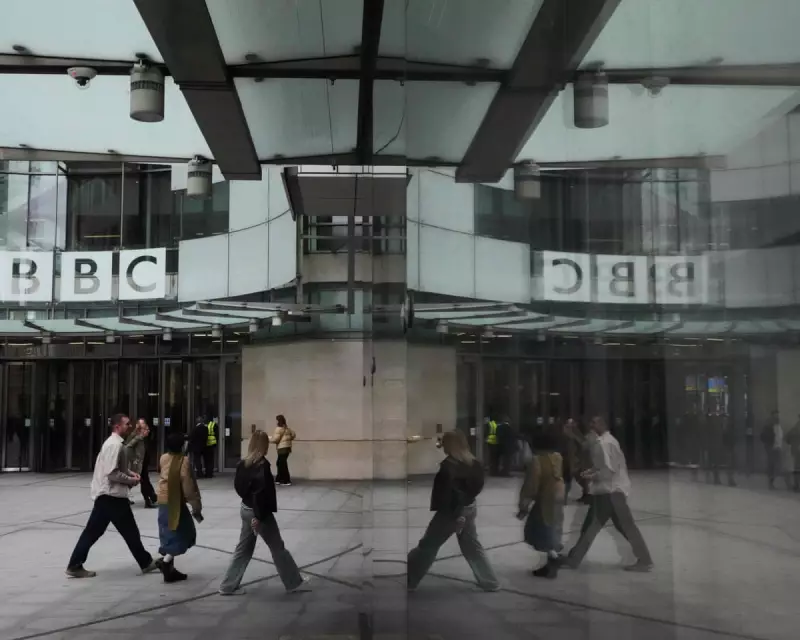
The BBC is navigating one of its most significant crises in recent memory, facing a formidable $1bn legal threat from former US President Donald Trump. The controversy stems from a serious editing error in a documentary film about Trump, aired last year before the US presidential election.
The Core of the Controversy
During the editing process of the documentary, two separate clips of Donald Trump addressing his supporters in Washington were spliced together. While the edited version suggested a seamless, direct call for violence at the US Capitol, the reality was that the two moments occurred nearly an hour apart. This editorial decision created a misleading impression, suggesting Trump had issued an unmistakable instruction for the riot that followed. Although Trump did make inflammatory statements and bears significant responsibility for the events of that day, he skirted the specific, direct instruction the film's edit implied.
This was a substantial journalistic failure. Compounding the error, the BBC did not adequately acknowledge or correct the mistake when it had the opportunity. Such a significant lapse rightly calls for internal review and public accountability, steps that have been partially taken.
A Disproportionate Fallout
The aftermath, however, has escalated to a level many consider wildly disproportionate to the original mistake. Donald Trump, known for his litigious nature, is now threatening to sue the British broadcaster for a staggering $1bn. His spokesperson has seized upon a leaked, critical memo from a former BBC adviser to label the organisation as "100% fake news".
More shockingly, the situation has triggered the resignations of two of the BBC's most senior news executives: Director General Tim Davie and Chief Executive of BBC News, Deborah Turness. This leadership vacuum has thrown the BBC into an existential crisis, with its future being openly questioned.
In today's highly polarised political climate, the controversy has become a lightning rod for broader grievances. Some politicians are leveraging the scandal to urge the British public to refuse paying the television licence fee, which is the fundamental source of the BBC's funding. This comes at a time when the broadcaster's coverage of other sensitive issues, like the Gaza war and transgender rights, is also under intense scrutiny.
Defending a Pillar of Journalism
Despite the serious nature of the editing error, the reaction is widely seen as being out of whack. The BBC, while having messed up, remains an essential news organisation both in the United Kingdom and internationally. It continues to command significant public trust. As former Guardian editor Alan Rusbridger noted in Prospect magazine, the BBC is "quite easily the most trusted news organisation in the UK." In the United States, it is the second most trusted news source, trailing only behind the Weather Channel.
For American observers, Trump's tactics are familiar. He routinely uses lawsuits and legal threats as a political weapon to foster grievance, create division, and undermine reality-based journalism. This strategy has seen recent success, with multimillion-dollar settlements from major US networks like ABC News and CBS News, even in cases that legal experts believed could have been successfully defended in court.
CNN's Brian Stelter described Trump's formal demand letter to the BBC as "the Trump squeeze in action," setting a tight deadline for a retraction and financial compensation.
So, how should the BBC respond? A responsible news organisation must fully acknowledge its error and be transparent about the steps being taken to prevent a recurrence. It should continue its practice of self-reporting, as demonstrated in BBC presenter Ros Atkins's recent fair-minded piece on the scandal.
Critically, the broadcaster must not cave to Trump's demands. If a lawsuit materialises, the BBC should follow the example of outlets like the New York Times and the Wall Street Journal by mounting a robust legal defence. Some legal experts have even questioned whether such a suit is feasible across international jurisdictions.
Mistakes are an inevitable part of journalism. But even serious errors do not negate the profound importance of a free and independent press. The BBC is a crucial part of that ecosystem, and its survival and ability to thrive, while learning from this episode, remain vital for informed public discourse worldwide.