BBC's 'The Zero Line' Uncovers the Devastating Realities of Russia's War
The BBC documentary The Zero Line: Inside Russia's War delivers a harrowing and deeply moving account of the conflict, focusing on the brutal experiences of Russian dissidents and conscripts. This film provides a rare glimpse into a military system that not only fights external enemies but also turns violently on its own soldiers, creating an environment of pervasive fear and punishment.
Brave Testimonies from the Frontlines
Directed by Ben Steele, the documentary features interviews with individuals who speak anonymously or show their faces without names, alongside a few who are fully identified, having already faced the worst from the Russian state. Their stories are described as impossibly and heartbreakingly brave, shedding light on the personal costs of dissent and conformity in wartime Russia.
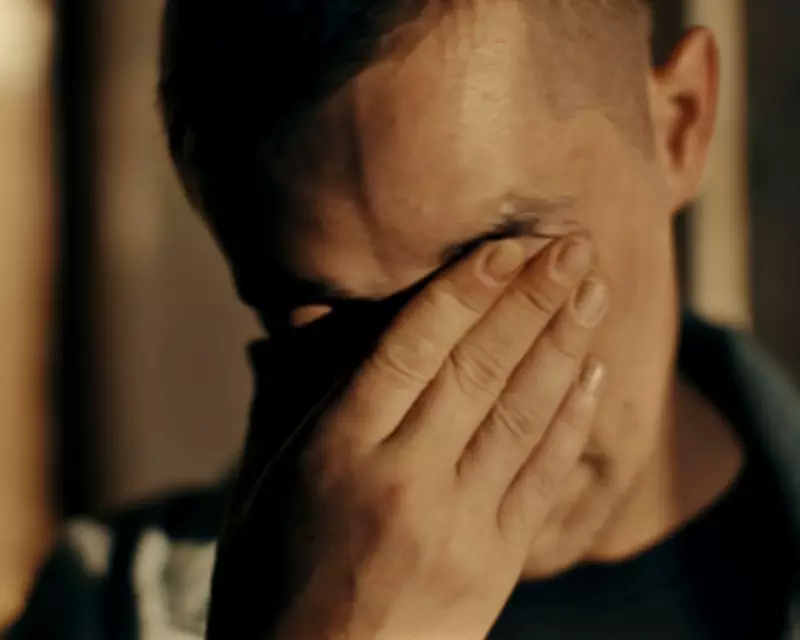
One poignant example is Artyom, a young man who participated in anti-war demonstrations after the 2022 invasion of Ukraine. Captured on footage, Artyom's life, once centered on poetry and creativity, took a dark turn when he was detained. According to his wife Sasha, he was tortured and raped, his gaunt features and despairing eyes telling a story of profound suffering. This segment highlights the severe repercussions faced by those who dare to resist the regime.

The Grim Reality of 'Zeroing' in the Russian Military
The title The Zero Line carries a dual meaning: it refers to the conflict zone with the enemy and to the military slang term "zeroing," which describes the execution of one's own troops. The documentary details how this practice has become increasingly common. Soldiers who attempt to desert, conscripted convicts arriving on the frontline, and even severely wounded individuals are "zeroed"—a chilling tactic that sometimes masquerades as a mercy killing.
An ex-soldier explains, "There's no payment for a vegetable. So we put him down, like a dog." This sentiment underscores a lawless atmosphere within the Russian army, where commanders are perceived as the true enemy. The film itemizes horrors such as "meat storms," a tactic involving overwhelming numbers of soldiers in battles, leading to staggering daily casualties estimated at 900 to 1,500 Russians killed or wounded in 2025 alone. This disregard for human life evokes grim comparisons to historical atrocities under Stalin.
Impact on Russian Society and the Home Front
Beyond the battlefield, the documentary explores the eerie banality of life in Russia during the war. Propaganda broadcasts and recruitment films attempt to personalize the conflict, but often result in dark absurdity. The personal touches from the resistance are particularly harrowing, including stories of a man whose wife was sent to a penal colony for condemning atrocities, and a special needs teacher who was brutally beaten and humiliated by fellow recruits after they discovered pictures of him dancing.
As the credits roll, a statement notes that the Russian government was approached for comment but did not respond—a legal formality that feels superfluous given the film's powerful evidence. The Zero Line is portrayed not just as documentary-making, but as evidence-gathering, capturing the war's brutalization of both Ukrainians and Russians, eroding gentleness and kindness among the population.
A Lasting Trauma for Generations
The documentary concludes with a somber reflection on the enduring trauma of the war. Sasha's plaintive words, "I love Russia. But Russia doesn't seem to love me," encapsulate the personal and national disillusionment. The film suggests that, much like the "Afghan syndrome" of the late Soviet era, the psychological scars from this conflict will persist long after the fighting ends, affecting families across Russia and leaving a legacy of pain and division.
The Zero Line: Inside Russia's War aired on BBC Two and is available on iPlayer, offering a crucial and difficult-to-watch perspective on a conflict that continues to reshape lives and societies.