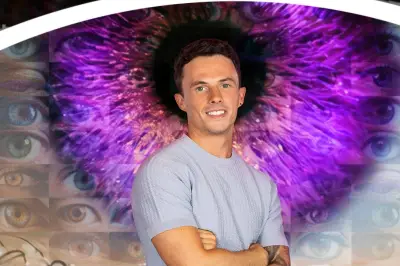
The BBC has called for enhanced background checks on reality television contestants following the emergence of deeply offensive historical tweets from a participant in the upcoming series of The Apprentice. The broadcaster has expressed serious concern after discovering that contestant Levi Hodgetts-Hague posted inflammatory content over a decade ago, which includes derogatory remarks about Muslims, women, and police officers, alongside expressions of support for far-right activist Tommy Robinson.
Production Company Under Scrutiny
A spokesperson for the BBC confirmed that the corporation was "completely unaware" of Hodgetts-Hague's "abhorrent comments" prior to the controversy. In response, the BBC has requested that the independent production company responsible for the show, Naked, conduct a comprehensive review of its social media vetting procedures. The broadcaster emphasised that the existing process has "clearly failed in this instance" and stated that the views expressed are "totally unacceptable".
A Recurring Problem for The Apprentice
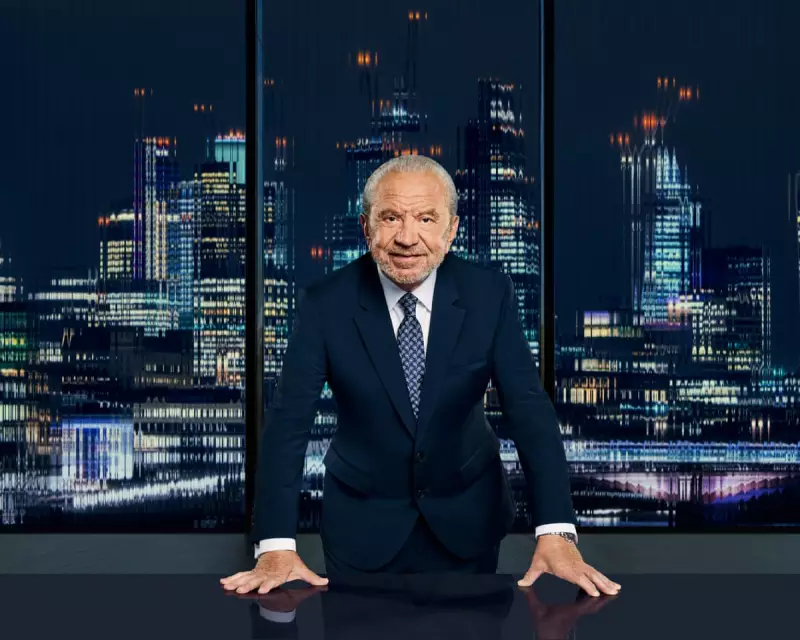
This incident is not an isolated one for the long-running business competition series, which is fronted by Lord Alan Sugar. Over its twenty-season history, The Apprentice has frequently faced criticism for selecting contestants with controversial backgrounds or views. Earlier this year, a former contestant from the 2024 series, Dr Asif Munaf, was struck off the medical register after a tribunal found he had posted numerous antisemitic, racist, and sexist messages online.
Furthermore, past seasons have featured individuals with criminal records or those known for provocative statements, such as right-wing commentator Katie Hopkins in 2006. These recurring issues raise significant questions about the effectiveness of pre-screening processes and the ethical responsibilities of production companies.
Industry Perspectives on Casting Practices
Julian Henry, a prominent celebrity public relations expert, argues that the "ultimate responsibility" for vetting contestants lies with the production company, not the BBC. He suggests that background checks are often time-consuming and expensive, which may lead casting teams to cut corners. Meanwhile, Professor Jamie Medhurst of Aberystwyth University notes that this scandal, combined with similar incidents involving other reality shows, indicates a potential "lack of oversight" in the commissioning process.
Medhurst also highlights the inherent tension in reality television casting: producers often seek "interesting" characters who can generate drama and tension, which might inadvertently lead to the selection of individuals with controversial pasts. Alex Segal, managing director of InterTalent agency, explains that shows like The Apprentice rely on ensemble casts where each participant fulfills a specific role to create dynamic interactions. While casting agents typically use third-party providers or AI to scan social media for offensive content, Segal admits these methods are "not bulletproof" and can miss context or coded language.
Current Safeguards and Future Implications
According to the production company, all Apprentice candidates undergo Disclosure and Barring Service (DBS) checks, have their social media histories investigated by external providers, and receive training on inclusive language and respectful behaviour. A spokesperson for Naked affirmed that compliance is taken "extremely seriously" and that procedures are continually reviewed. However, this latest controversy underscores the challenges of thoroughly vetting contestants in an era where digital footprints can span many years.
As the new series prepares to launch, the BBC and its production partners face mounting pressure to strengthen their due diligence processes. The incident serves as a stark reminder of the reputational risks associated with reality television and the importance of rigorous background checks in maintaining public trust.