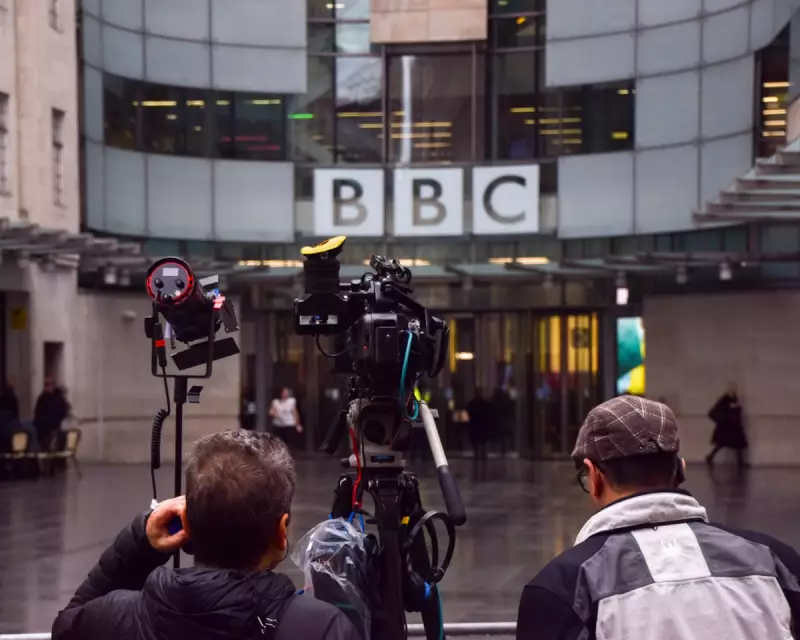
The BBC finds itself at the centre of a major controversy following revelations about its editing of Donald Trump's speech in a Panorama documentary about the Capitol riots.
The Editing Controversy
During his recent state visit to the UK, Donald Trump described the BBC as corrupt and threatened legal action against the broadcaster. His spokesperson Karoline Leavitt went further, labelling the BBC as 100% fake news. The criticism came after the Panorama team was found to have spliced together two separate clips from Trump's speech, taken 50 minutes apart, to create the impression he was directly inciting violence.
What makes this particularly striking is that the manipulation was deemed unnecessary by many observers. As journalist John Crace noted, Everyone already knew that Trump didn't accept the result of a democratically held election. The programme's decision to tamper with footage has sparked widespread condemnation across the political spectrum.
Political Reactions and Fallout
Nigel Farage was among the first to condemn the BBC, declaring the organisation institutionally biased during his Monday morning press conference in central London. The Reform UK leader and GB News presenter revealed he had spoken to Trump on Friday, saying the former US president was unhappy with his treatment by the British broadcaster.
Meanwhile, Conservative MP Kemi Badenoch echoed similar sentiments about institutional bias, while Labour struggled to formulate a coherent response. Only Liberal Democrat leader Ed Davey offered measured support, acknowledging the BBC's mistake while defending its global reputation.
Broader Implications for the BBC
The timing couldn't be worse for the BBC, with Director-General Tim Davie and head of news Deborah Turness facing calls for their resignation. The incident has reignited debates about the licence fee and the broadcaster's future, with critics from both left and right seizing the opportunity to voice longstanding grievances.
As the corporation deals with this self-inflicted crisis, it faces the uncomfortable reality that in its attempt to highlight Trump's undemocratic tendencies, it may have compromised its own journalistic standards. The incident raises serious questions about editorial processes and the pressure to produce compelling television at the expense of factual accuracy.