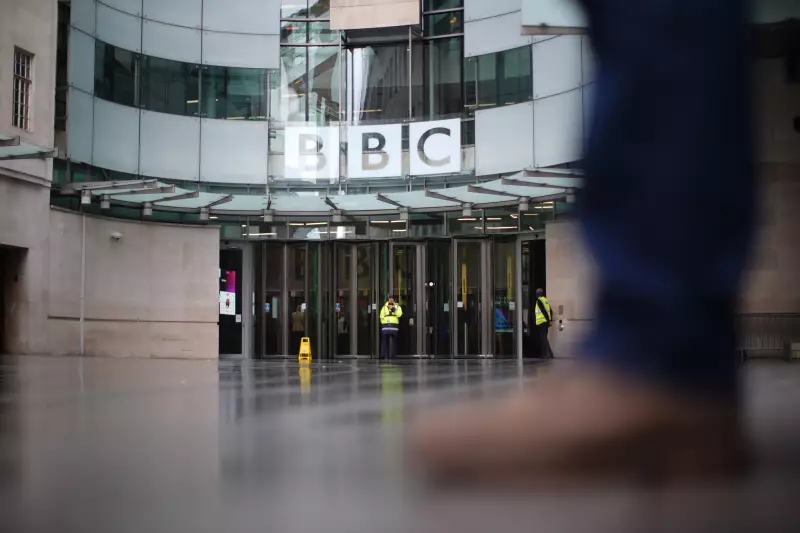
The BBC has been plunged into an unprecedented crisis, culminating in the resignation of its two most senior news executives after the corporation was forced to apologise for manipulating footage of a United States President.
The broadcaster issued the apology after it was found to have doctored a speech, giving audiences the false impression the President had said something he did not. The incident occurred on Monday 10 November 2025.
Leadership Fallout and a Leaked Memo
The gravity of the error prompted the immediate resignation of Deborah Turness, the CEO of BBC News, and Tim Davie, the Director General of the BBC. This dramatic leadership change underscores the severity of the breach in editorial standards at the publicly-funded broadcaster.
The scandal erupted into the public domain following the leak of a memo written by Michael Prescott, a former independent external adviser to the BBC’s Editorial Guidelines and Standards Committee. Prescott, who left his role in the summer of 2025, stated he departed with "profound and unresolved concerns about the BBC".
His memo raised serious questions about the corporation's handling of allegations concerning bias, poor judgement, and errors. It referenced several reports, including one by former BBC journalist David Grossman, which critiqued the BBC's coverage of US politics, the Israel-Gaza war, and trans issues.
A Battle for Trust and The Future of the BBC
The crisis has ignited a fierce internal debate. Some within the corporation have reportedly attempted to frame the revelations as part of a "right-wing conspiracy", a move described in the original commentary as baffling and counterproductive.
This scandal strikes at the heart of the BBC's recent efforts to position itself as a bulwark against misinformation, notably through its BBC Verify unit. In a statement earlier this year, Deborah Turness herself had said the initiative would "separate fact from fake" and help audiences "know not just what we know, but how we know it."
The timing of this trust crisis could not be worse for the BBC. Critics argue that the broadcaster's funding model, the licence fee, is already under immense pressure in the modern media landscape. Failing to address these fundamental issues of integrity and impartiality head-on, the commentary warns, could lead to a potentially fatal erosion of public trust, hastening the institution's demise.