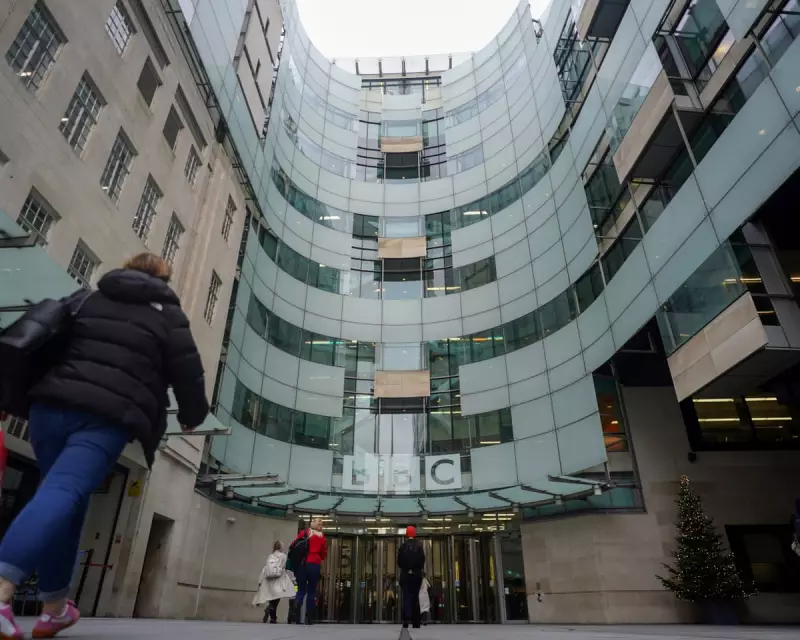
The British government has launched a crucial review of the BBC's future, with ministers actively examining plans to significantly increase the broadcaster's independence from political influence. This includes proposals to end political appointments to the BBC's board and potentially make its charter permanent.
Depoliticising the BBC Board
At the heart of the government's green paper is a commitment to look at safeguarding the BBC's editorial and operational independence. This follows significant internal concerns over the role of board members appointed by previous Conservative administrations. The process will consider removing the government's role in appointing board members to insulate the corporation from political pressure.
Concerns over politicisation have notably focused on figures like Robbie Gibb, a former communications chief for Theresa May who was placed on the BBC board by Boris Johnson. Allegations surfaced that he and other government-appointed members were vocal about claims of liberal bias, a situation some within the BBC described as akin to "a coup" from the right. Both Gibb and the BBC chair, Samir Shah, have strongly denied these claims.
Funding and Charter Overhaul
The review also confronts the existential challenge of how the BBC is funded. The number of UK households holding a TV licence has fallen by 2.4 million since its peak in 2017-18, prompting a search for sustainable alternatives. Ministers are looking at all options except general taxation, including:
- Introducing advertising.
- A "top-up subscription model".
- Placing older content behind a paywall after a free period.
Concurrently, there are calls for the BBC's charter—which currently requires renewal every decade—to be made permanent, akin to the Bank of England's. This would provide long-term certainty, allowing the corporation to focus on output rather than its own survival. The government's document states it will "consider whether revising the length of the forthcoming charter would support the BBC’s ability to plan and formulate its strategies over the long-term."
Political Context and Future Vision
This charter review process begins amid a shifting political landscape, with Nigel Farage's Reform UK—a party highly critical of the BBC—performing strongly in opinion polls. The government acknowledges a "generational shift" in media consumption that poses substantial challenges for the national broadcaster.
Culture Secretary Lisa Nandy outlined her aims, stating: "The BBC must remain fiercely independent, accountable and be able to command public trust. It must reflect the whole of the UK, remain an engine for economic growth and be funded in a way that is sustainable and fair for audiences." She pledged that the review would be a catalyst to help the BBC adapt and secure its role at the heart of national life for years to come.
The outcome of these talks will determine the structure, funding, and independence of one of Britain's most iconic institutions for a generation.