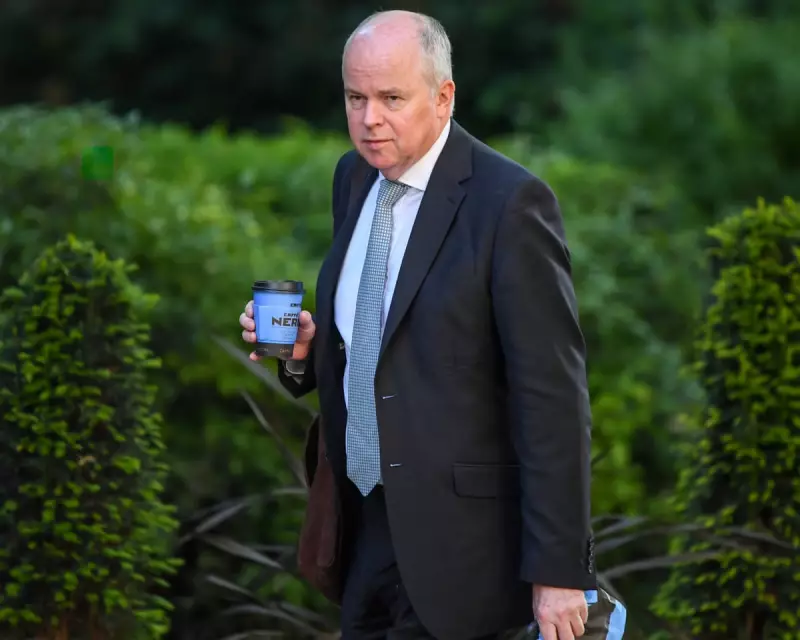
Growing pressure is mounting on BBC board member Sir Robbie Gibb to resign from his position, with both MPs and corporation staff calling for his departure following allegations he promoted claims of institutional bias within the broadcaster.
Political Appointee Under Fire
The controversy centres on Robbie Gibb, appointed to the BBC board in 2021 by then-Prime Minister Boris Johnson. During an online meeting with outgoing director general Tim Davie, numerous staff members questioned Gibb's continued presence on the board, with several arguing that all political appointees should be removed from the organisation.
The calls for his removal come amid claims that Gibb pushed accusations of institutional bias that preceded the shock resignations of both Davie and BBC News head Deborah Turness over the weekend. These allegations were originally detailed in a memo by Michael Prescott, a former independent external adviser to the BBC's editorial guidelines and standards committee, who left his role in the summer.
Leaked Memo Sparks Controversy
Prescott's memo, leaked to the Daily Telegraph last week, contained multiple criticisms of the BBC's editorial approach. It specifically highlighted concerns about Panorama's broadcast of edited footage from a Donald Trump speech, which has since prompted the former US president to threaten $1bn legal action against the corporation.
The document also made broader claims of liberal bias across BBC coverage of issues including trans rights and the conflict in Gaza. While the BBC has acknowledged some failings, attention has increasingly focused on Gibb's position, with suggestions he played a role in both promoting Prescott's claims and in Prescott originally being awarded his advisory role.
Both Gibb and Prescott have now been summoned to give evidence to the Commons culture, media and sport committee as the controversy deepens.
Internal and External Reactions
During the staff meeting, Davie addressed what he described as the "weaponisation" of criticisms against the broadcaster. "I see the free press under pressure. I see the weaponisation. I think we've got a fight for our journalism," he told employees, reassuring them that the narrative around the corporation "will not just be given by our enemies."
Staff responses were unequivocal. "Why is Robbie Gibb still on the board?" asked one employee, while another stated: "The board needs independent oversight free from political interference. Until Robbie Gibb and any other political appointee are removed, we cannot possibly be truly trusted to be an unbiased organisation."
The sentiment was echoed by multiple MPs across party lines. Labour MP Sarah Owen said it was time to review Gibb's place on the board, while Liberal Democrat culture spokesperson Anna Sabine stated that "serious concerns remain over the conduct of Sir Robbie Gibb during his tenure on the BBC board" and backed his removal.
However, Conservative MP Sir Julian Lewis defended Gibb, arguing the "crisis had nothing to do with Robbie Gibb" and was entirely due to mistakes made by the BBC itself.
The corporation responded by noting that Gibb represents just one voice on a board of 13 members that contains a "cross-section of views." Culture Secretary Lisa Nandy added that there was a "strict legal threshold that must be met before dismissal of a board member" and confirmed she could not unilaterally remove Gibb.
BBC chair Samir Shah dismissed suggestions of a rightwing coup within the organisation as "fanciful," while emphasising the importance of having "different points of view" on the board to avoid groupthink.