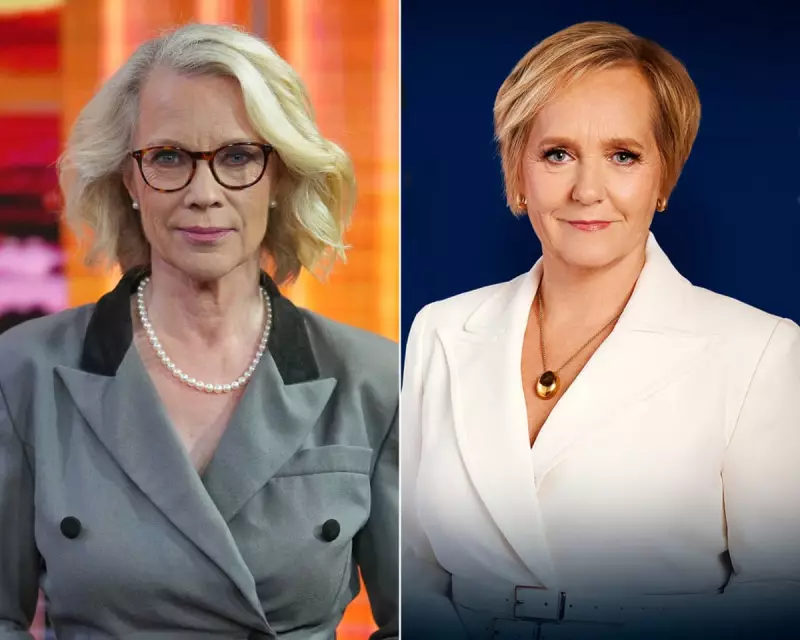
The Australian Broadcasting Corporation (ABC) has issued a robust defence of its editorial decisions following public criticism from two of its own senior journalists, Laura Tingle and Sarah Ferguson, over the broadcaster's coverage of the Bondi Junction mass stabbing.
Senior Journalists Voice Concerns Over Coverage
The internal dispute became public after the broadcaster's chief political correspondent, Laura Tingle, and veteran presenter Sarah Ferguson, expressed significant concerns about the ABC's handling of the tragic event on 13 April. The attack in a Sydney shopping centre resulted in the deaths of six people and left many others injured.
In a post on the social media platform X, Laura Tingle stated she was "profoundly uncomfortable" with aspects of the ABC's coverage. She specifically questioned the decision to broadcast a press conference given by New South Wales Police Commissioner Karen Webb. Tingle argued that the live broadcast gave a platform to what she described as "unreliable information" during a highly volatile situation.
Sarah Ferguson, the host of the flagship 7.30 programme, echoed these sentiments. She revealed she had raised her concerns directly with ABC news director Justin Stevens. Ferguson emphasised her belief that the media should exercise greater restraint in the immediate aftermath of such violent incidents, particularly when official information is still preliminary and potentially inaccurate.
The ABC's Firm Defence of Its Editorial Process
In response to the criticism, the ABC's news leadership has stood firmly by its editorial choices. A spokesperson for the national broadcaster stated that its coverage was "responsible and measured" and adhered to established editorial standards.
The ABC defended its decision to air the police press conference live, arguing it was in the public interest to hear directly from the authorities leading the response. The broadcaster maintained that it provided necessary context and caveats about the unfolding nature of the information being presented.
"Our coverage was factual, calm, and moved carefully as the situation developed," the ABC statement read. It highlighted the challenging environment journalists operate in during fast-moving breaking news events, where information can change rapidly. The broadcaster also pointed to its subsequent in-depth reporting and analysis of the attack and its aftermath as evidence of its comprehensive approach.
Broader Implications for Media Ethics
This public disagreement has ignited a wider debate about media ethics during major crisis events. The core tension lies between the public's right to timely information and the potential harm caused by broadcasting unverified details or amplifying official narratives that may later be corrected.
Media ethicists have noted that the criticism from such high-profile internal figures is unusually stark and reflects deep-seated concerns about contemporary newsroom practices. The debate touches on key questions:
- The balance between speed and accuracy in the digital news cycle.
- The responsibility of broadcasters when airing live statements from officials.
- The potential for initial, incorrect information to cause public panic or misinformation.
The ABC has acknowledged the feedback from its staff but has given no indication of changing its protocols. The broadcaster stated it continually reviews its coverage of major events to ensure it meets its standards of independence, accuracy, and fairness. This incident underscores the ongoing and complex challenges faced by news organisations in an era of instant reporting and intense public scrutiny.