From London Artist to War Zone Documentarian
Charlie Calder-Potts, now 40, began her extraordinary journey as a war artist after falling in love with the Middle East during her travels through Lebanon and Syria in her twenties. The adventurous London-based artist felt compelled to visit Afghanistan, fascinated by its mountainous landscapes and the historical attempts to control the region.
At just 26 years old, Charlie devised a novel approach to achieve her dream: she wrote to numerous Army regiments requesting to be embedded with British troops as a war artist. Her role would focus on documenting people, places and experiences connected to conflict through various media, rather than combat itself.
"I didn't know anyone in the army at the time and had never experienced war," Charlie tells Metro. "So I thought becoming a war artist would provide insight. At 26, I was young enough to be relatively ignorant and probably a bit braver than I would be now."
Life in Camp Bastion and Beyond
When the 9th/12th Royal Lancers responded positively to her letters, Charlie felt both excited and "a little frightened." Her parents were understandably concerned about her safety, but given her adventurous siblings and international upbringing, they ultimately supported her decision. This made Charlie the youngest ever female war artist commissioned by the British Army.
After completing training in Dorset and experiencing her first Chinook helicopter ride, Charlie flew with the British Army in 2013 to Camp Bastion in Lashkargah, the main operational hub during the Afghanistan conflict.
"It was very surreal – the camp was the size of Reading and Take That had performed there the week before I went," Charlie remembers. "It was very weird because there was a Costa Coffee and you would get tokens to spend there. But it was surrounded with wire and felt like a prison in a lot of ways."
Her arrival coincided with the Government's announcement that British troops were withdrawing from Afghanistan, meaning many soldiers were simply waiting to return home. Charlie observed both the danger and profound boredom of military life, noting that some personnel spent their entire six-month tours counting ammunition boxes within the camp.
Artistic Documentation and Terrifying Encounters
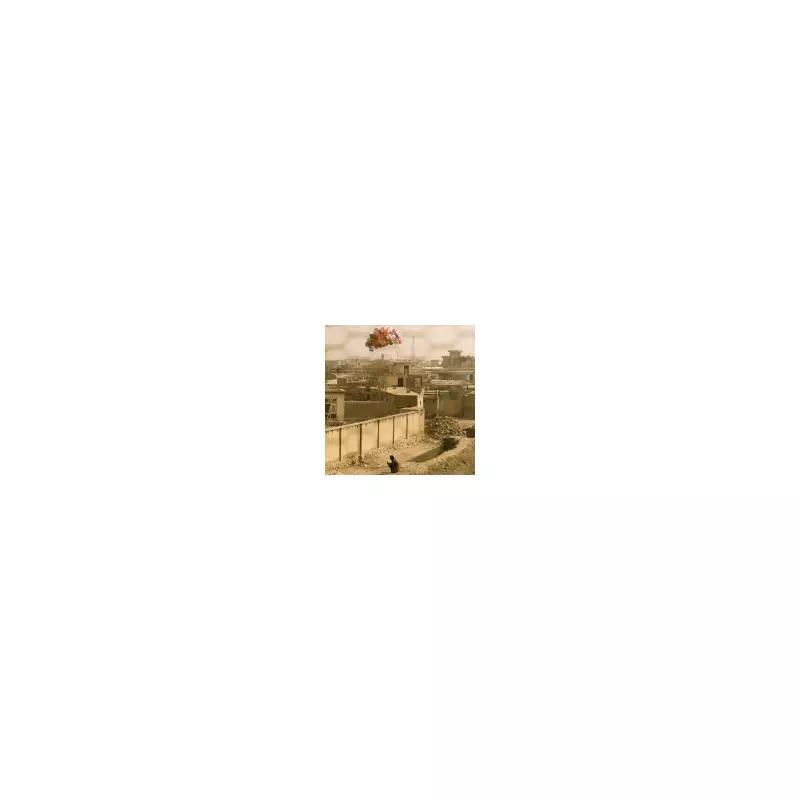
Following mine detection training, Charlie visited bases throughout the region, including Kabul and surrounding mountains. She captured striking contrasts through her photography, such as a man holding helium balloons soaring over the landscape – a symbol of hope amidst conflict.
"It was taken from behind barbed wire yet it was such a normal thing in a wartime environment," she explains. "You're always reminded that these are normal people trying to live their lives."
Charlie also created unique artworks by salvaging metal from army vehicles and ammunition casings, then etching photography onto them combined with oil painting. "I was literally working on a piece of history, documenting people who were part of that," she says.
Her most terrifying experience occurred during her journey home. Travelling in a four-by-four from the capital back to Helmand, she noticed an unusual silence among the military personnel. "Everybody was deathly silent in the car. And that was not normal," she recalls.
Only upon reaching the airport did she learn the truth: the convoy had been stalked by a Taliban suicide bomber targeting their vehicles. "They had intercepted Taliban radio to find out a suicide bomber was aiming for our convoy vehicles," Charlie reveals.
"That journey was only half an hour but it felt like forever," she adds, reflecting on the narrow escape.
Life After Afghanistan and New Directions
Though this remained her only official tour as a war artist, Charlie continued visiting conflict zones in Iraq and Syria, collaborated with the British Arts Council in Iran, and worked in refugee camps. Her life has since transformed significantly.
Now a mother of two, she spends more time in Herefordshire woodland than war zones, foraging plants and seeds to create paints in traditional ways. She recently contributed to War Child's Sound & Vision exhibition with work inspired by Kate Bush lyrics.
Charlie currently focuses on peaceful projects, collecting soil, rock and oak apple galls to make pigments using methods similar to ancient Mesopotamian artists. Her latest work draws inspiration from the Tacuinum sanitatis, an 11th-century Baghdad medical manuscript about health and wellbeing.
"I have a huge love for traditional techniques and the way they link us together," Charlie explains. "The Tacuinum sanitatis says the most important things to stay well are herbal remedies, breathing, exercise and mental health. Just like they are today."
Despite her initial political disagreement with the UK presence in Afghanistan, Charlie returned with profound respect for military personnel. "They were living away from their families, potentially losing their life, losing their limbs, risking PTSD," she says. "And I had a huge amount of respect for how they looked after each other."