The Photography Debate in Art Galleries
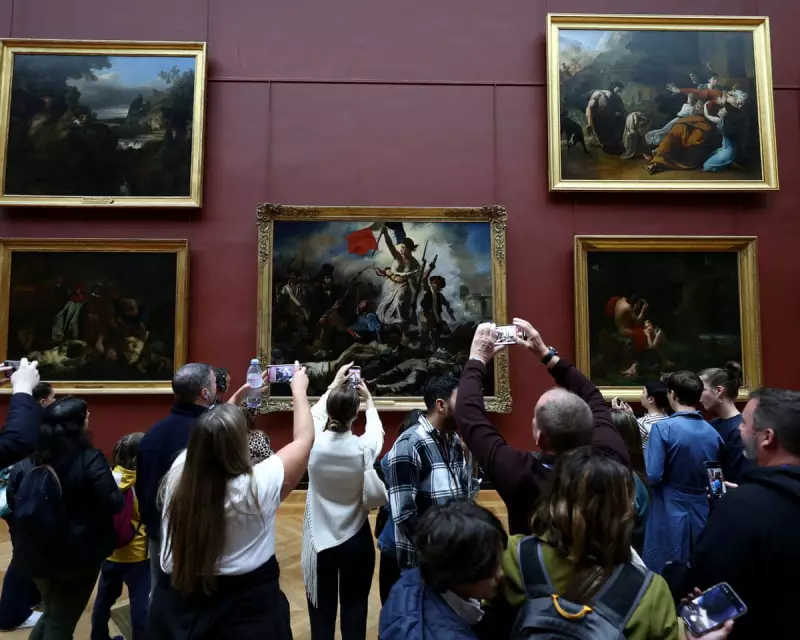
In art galleries across the UK, a quiet battle has been brewing between traditionalists who prefer silent contemplation and a new generation of visitors armed with smartphone cameras. The debate around whether photographing artworks constitutes appreciation or distraction has divided gallery-goers for years.
A Change of Heart at Tate Britain
Martin Cooper from Bromley, London, admits he was once firmly in the camp of those irritated by fellow visitors taking pictures in galleries. Like many, he believed the constant snapping detracted from the contemplative experience art deserves. However, his perspective underwent a dramatic transformation during a recent visit to Tate Britain's Exhibition Age gallery.
The gallery presented works hung in the 18th-century style, reaching all the way to the ceiling with no obvious labels. Cooper initially found the collection "competent but not insightful" until he encountered John Opie's painting 'A School'. The dark composition depicting an elderly woman listening to a child read overwhelmed him with its emotional depth.
"I thought I was looking at a Rembrandt," Cooper recalls. "The woman's expression said so much. I had to take a picture, as I felt I had discovered a genuinely inspiring piece that I'd never heard of." The personal connection - the woman reminded him of his late mother - intensified his reaction and his need to digitally preserve the moment.
Alternative Approaches to Gallery Photography
Not all gallery visitors share Cooper's newly sympathetic view. Lillian Adams from Grosmont, Abergavenny describes her creative resistance during a visit to the Musée d'Orsay. Frustrated by visitors taking selfies with their backs to masterpieces, she began "bobbing up in between photographer and painting." Her distinctive pink hair now likely features in countless unintended photographs around the world.
The tension between these perspectives highlights broader questions about how we engage with art in the digital age. Should galleries embrace photography as a form of engagement or protect the traditional viewing experience?
Cooper has reached his conclusion: "In future I shan't judge my fellow visitors if they feel as moved as I was by a piece." His experience suggests that sometimes, the urge to photograph comes not from superficial tourism but from genuine, profound connection with artwork.