Vienna Implements Austerity Measures, Reducing Cultural Funding
Vienna, renowned globally as a bastion of classical music, is implementing significant budget reductions for its cultural institutions this year. The city has announced a series of austerity-driven measures that include the temporary closure of several museums dedicated to famous composers and a reduction in opening hours for other cultural sites. This move is part of a broader effort to meet public spending targets, with further decreases in funding anticipated in 2027.
Closure of Composer Museums and Reduced Access
Key historical sites affected by the cuts include the apartment where Franz Schubert died, the residence of Johann Strauss, known for composing the "Blue Danube," and the house where Joseph Haydn lived. These closures, announced by Matti Bunzl, director of the Wien Museum, are set to last for two years, according to finance director Christina Schwarz. Additionally, several other museums will see their opening hours curtailed, such as the Prater Museum, Hermes Villa, and various Otto Wagner sites.
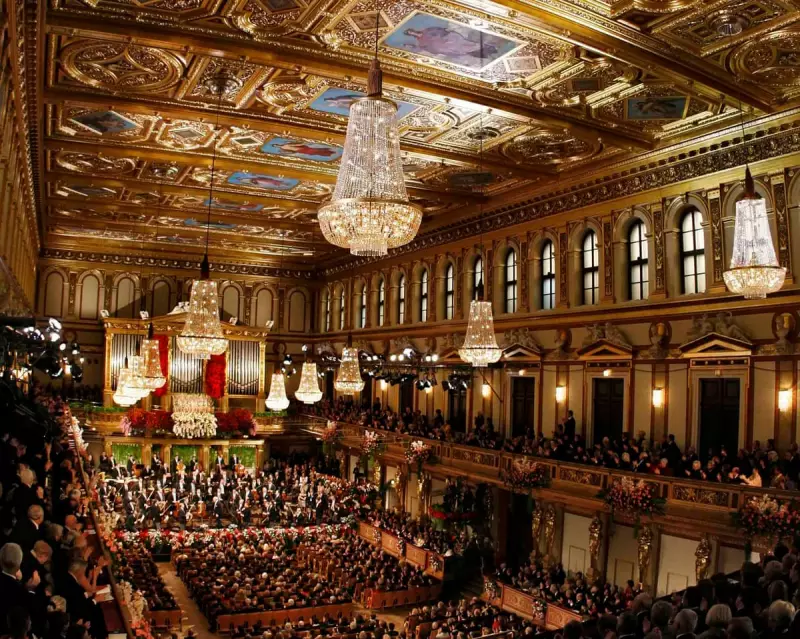
Matti Bunzl emphasised the necessity of these measures, stating, "We all have to economise. That's the reality we live in." The budget allocated by the city for cultural purposes is decreasing from €29.7 million in 2025 to €28.4 million this year, with plans for further reductions in 2027. Notably, the annual Vienna New Year's concert, broadcast internationally, will also face budget cuts as part of this austerity drive.
Historical Context and Broader Impact
Vienna's rise as a European cultural capital, largely due to Habsburg dynasty patronage during the Baroque era and late 19th century, has long been celebrated for hosting luminaries like Mozart, Beethoven, Gustav Klimt, and Egon Schiele. However, the current financial constraints reflect a shift in priorities. While the affected museums are described as low-key establishments with minimal staffing costs, their closure marks a significant reduction in public access to Vienna's rich musical heritage.
In a related development, Schubert's birthplace will close from 2 March for a redesign, scheduled to reopen in 2028 to commemorate the 200th anniversary of his death. The austerity measures have sparked criticism, particularly from Austria's far-right Freedom party (FPÖ), which has questioned why the politically charged Wiener Festwochen arts festival remains unaffected by the cuts.
These cultural reductions are part of a wider austerity package that includes a nearly 30% increase in public transport ticket prices for some users in Vienna, highlighting the comprehensive nature of the city's cost-saving initiatives.