Two Titans of British Art Face to Face
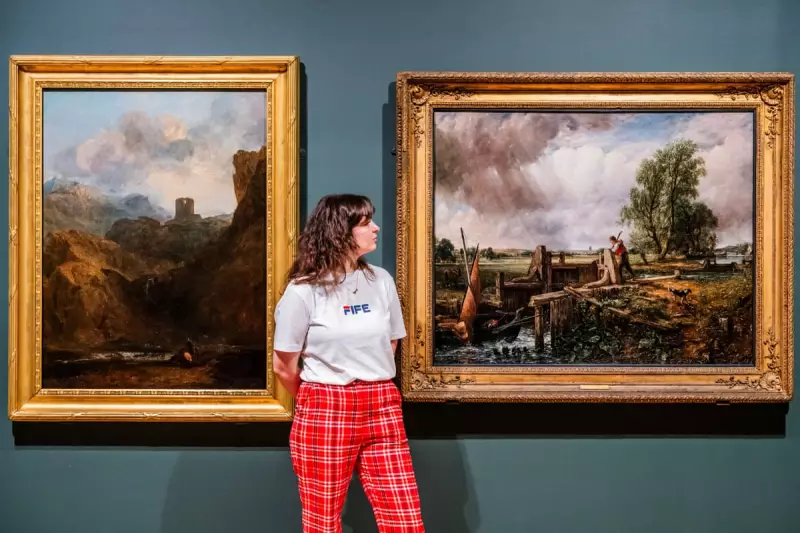
Tate Britain has launched an unprecedented exhibition that places two giants of British art in direct conversation. JMW Turner and John Constable, born just one year apart, are being shown together in what promises to be the blockbuster art event of the season. This major display marks the 250th anniversary of both artists' births and represents the first time their work has been presented in such a comprehensive head-to-head format.
The Fire and Water Rivalry
The exhibition explores the fascinating dynamic between these two very different artists who came to define British landscape painting. While Turner achieved early success, becoming a Royal Academy member at just 27, Constable waited until he was 52 for the same honour. Their contrasting approaches earned them the nicknames "Fire and Water" from contemporary critics, with Turner's dramatic, explosive style contrasting sharply with Constable's more contemplative naturalism.
One famous anecdote perfectly captures their competitive relationship. During the 1832 Royal Academy Summer Exhibition, Turner reportedly added a bold splash of red to his seascape Helvoetsluys specifically to outshine Constable's The Opening of Waterloo Bridge hanging nearby. This moment of artistic one-upmanship was memorably depicted in Mike Leigh's 2014 film about Turner, starring Timothy Spall.
Rediscovering Their Radical Legacy
Though often perceived as the more conventional artist, Constable's work was genuinely groundbreaking in its day. While Turner favoured grandiose classical themes, Constable broke new ground by focusing on ordinary working people - mill workers, bargemen, and everyday rural life. His approach echoed Wordsworth's Romantic ideals about finding poetry in common experiences.
Constable himself wrote in 1832 that true art "is to be found under every hedge, and in every lane, and therefore nobody thinks it worth picking up." This revolutionary perspective redefined what subjects were considered worthy of painting and continues to influence artists today, from George Shaw's depictions of council estates to David Hockney's Yorkshire landscapes.
Turner's radicalism took different forms, particularly in works like his powerful 1840 painting Slave Ship, believed to reference the Zong massacre where over 130 enslaved people were thrown overboard. This abolitionist work has inspired contemporary responses from poet David Dabydeen and installation artist Sondra Perry, bringing black perspectives to historical narratives.
Urgent Relevance in the Climate Era
The exhibition reveals how both artists captured a world undergoing rapid transformation, making their work strikingly relevant to contemporary concerns about climate change and environmental crisis. Turner's dramatic storms and Constable's shifting cloudscapes document a natural world in flux, while Turner's inclusion of steam trains and industrial scenes recorded technological revolution.
Their influence can be seen in contemporary artists like Emma Stibbon, who paints cracking icebergs and eroding coastlines, and Olafur Eliasson's elemental installations. Both Turner and Constable recorded technological innovation, political upheaval, and environmental change with an intensity that speaks directly to our own era of climate emergency.
By bringing these two masters together, Tate Britain encourages visitors to see familiar paintings in completely new ways. The exhibition demonstrates how creative rivalries can drive artistic innovation and how great art continues to find new meanings and urgency in every generation.