The Revolutionary Visual Language That Shaped Modern Culture
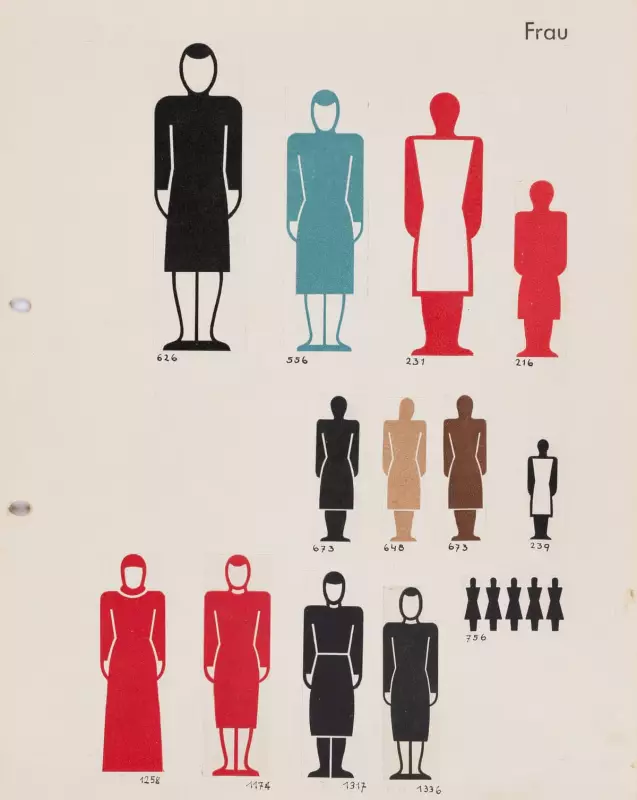
When Austrian philosopher Otto Neurath developed the Isotype visual language nearly a century ago, his intention was purely educational – to democratise knowledge and bridge class divides through clear, universal imagery. Little could he have imagined that his system of pictorial statistics would eventually find its way into the heart of British pop culture, influencing everything from album artwork to electronic music.
From Vienna to Oxford: The Journey of a Visionary
Otto Neurath died in Oxford approximately 80 years ago, having escaped Nazi-occupied Europe in a dramatic last-minute boat crossing from the Netherlands in 1940. Like many Jewish refugees, he and his third wife Marie Reidemeister faced internment on the Isle of Man as suspected enemy aliens. Despite these challenges, Neurath left behind an extraordinary legacy that would fundamentally change how we visualise information.
His creation, originally called the Vienna Method of Pictorial Statistics before Reidemeister renamed it Isotype (International System of Typographic Picture Education), was built on the powerful principle that "words divide, pictures unite". This philosophy emerged from the socialist spirit of interwar "Red Vienna" and aimed to make complex information accessible to everyone, regardless of educational background.
The Unexpected Pop Culture Crossover
Despite its socialist origins, Neurath's visual language found surprising resonance in postwar Anglo-American pop culture. His belief in mass reproduction methods aligned perfectly with pop art's nature as manufactured art without unique originals. Similarly, his demand for images that "show the most important thing about the object at first glance" mirrored the instant appeal sought by advertising and pop music.
The connection became explicit when British synthpop duo Orchestral Manoeuvres in the Dark (OMD) released a track called Isotype in 2017. Singer Andy McCluskey, speaking from his Wirral home, described Neurath as "fucking genius" and explained how both he and graphic designer Peter Saville had discovered Isotype in the early 1980s.
"We liked the idea of reducing things to the minimum and still getting the point across," McCluskey noted. "We had both grown up with Kraftwerk's Autobahn album, which in its later guise was the simple Isotype of the autobahn sign."
Legacy and Contemporary Relevance
The influence extends beyond music into graphic design. Peter Saville's work for Factory Records, including the iconic logo and artwork for Joy Division and New Order, shows clear Isotype influences. The streamlined, de-ornamentalised style pioneered by Neurath's collaborator Gerd Arntz anticipated the graphic asceticism of the post-punk era.
However, McCluskey expresses some ambivalence about Neurath's legacy. Neurath's statement that "to remember simple pictures is better than to forget accurate figures" now sounds like a predictor of our soundbite culture and limited attention spans. "Doesn't it sound like Donald Trump's whole political mantra?" McCluskey questions.
The ongoing exhibition Wissen für alle: Isotype at Vienna's Wien Museum, running until 5 April 2026, celebrates Neurath's work and its continuing relevance. What might have seemed like nostalgic socialist utopianism now feels like a rediscovered manual for resistance against intellectual snobbery – a reminder of how visual simplicity can make complex ideas accessible to all.