A lively debate has emerged from the pages of The Guardian's letters section, challenging modern gallery etiquette and the very purpose of art itself. Readers have responded passionately to an editorial advocating for the unique value of experiencing original artworks.
The Case for Live Experience
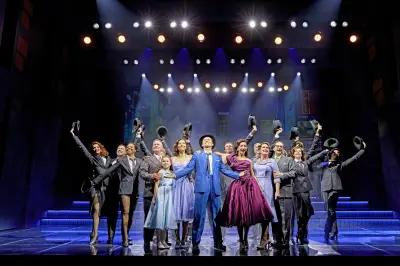
Ian Flintoff from Oxford passionately extended the editorial's argument beyond visual art to encompass live performance. He contends that while seeing actual paintings surpasses viewing reproductions, the same principle applies doubly to theatre and other live arts.
Flintoff champions the irreplaceable energy of performances created by live human beings, arguing they offer far more than the two-dimensional screen reproductions that have become normalized. He points to Britain's remarkable theatrical legacy, rivaling even ancient Athens, and calls for both witnessing and participating in live arts to boost national creativity and economic vitality.
Art as Challenge Versus Comfort
Val Mainwood from Wivenhoe, Essex offered a contrasting perspective on art's fundamental purpose. Disagreeing with what she perceives as a consensus view, Mainwood challenges the idea that art primarily serves as a comforting retreat or nurturing escape from life's difficulties.
She proposes a more demanding function for great art: to confront viewers, challenge personal and societal beliefs, and disrupt rigidly held viewpoints. As evidence, she cites the powerful exhibition Can We Stop Killing Each Other? at Norwich's Sainsbury Centre, which explores expressions of violence through art and theatre across history, ultimately posing difficult questions about human nature and conflict resolution.
The Intrusion of Digital Devices
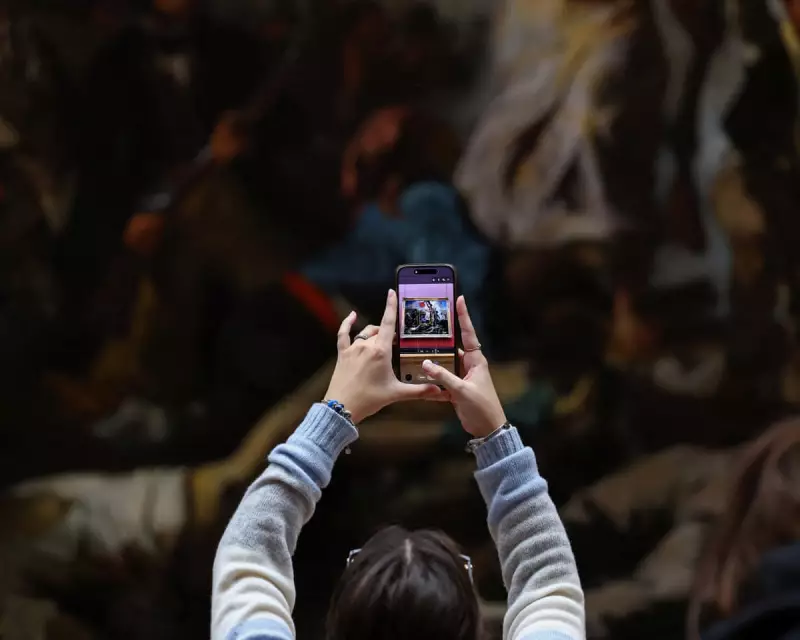
Ross Speirs from Watlington, Oxfordshire brought the discussion back to the practical reality of visiting galleries today. While agreeing that galleries should ideally be quiet, contemplative spaces where visitors stop scrolling and truly look, he highlights a significant modern obstacle.
Speirs questions whether this ideal environment can truly exist when visitors must ignore jostling crowds of people capturing paintings on their phones, presumably to admire the images on screens later. His observation touches directly on how digital technology is transforming traditional art appreciation practices in British cultural institutions.
The collective response underscores an ongoing cultural conversation about how we engage with art in the digital age, balancing technological convenience with authentic experience, and reconsidering whether art's primary role should be comfort or confrontation.