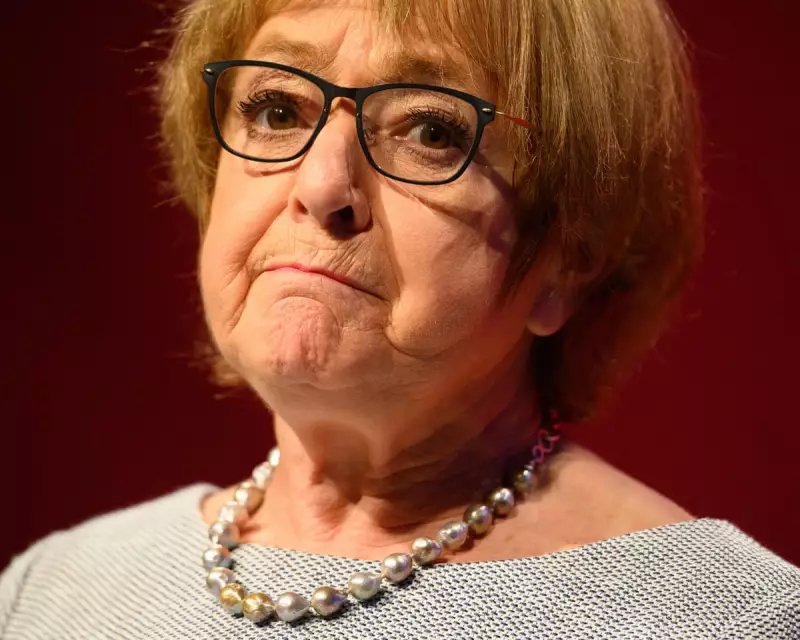
A major new report commissioned by the government has delivered a stark assessment of Arts Council England (ACE), calling for a radical simplification of its processes and a controversial scrapping of its flagship strategy. The review, led by Labour peer and former arts minister Margaret Hodge, diagnoses an organisation bogged down by bureaucracy and struggling under the weight of its own well-intentioned policies.
A System in Crisis: Bureaucracy and Burnout
The report confirms what many in the sector have long felt: that the arts in England are critically underfunded, a situation exacerbated but not solely caused by the Covid-19 pandemic. The sheer volume of form-filling, endless bureaucratic hurdles, and impractical delays in simply securing funding have led to widespread frustration, exhaustion, and burnout among artists and institutions.
Particular criticism is levelled at ACE's ten-year strategy, 'Let's Create'. While its focus on participation and access is admirable in principle, the report argues it has swung too far, often sidelining the expertise and individual vision of artists and arts organisations. This has been felt acutely in sectors like classical music and opera, where ACE has faced accusations of overreach and making crude interventions into artistic direction.
Hodge's Prescription: Back to Basics and Regional Revival
Margaret Hodge's central recommendations are designed to cut through this complexity. Firstly, she urges a 'bonfire of the red tape' strangling the sector. More contentiously, she recommends ditching the 'Let's Create' strategy altogether, advocating for a simpler framework that allows organisations to apply for funding based on their own strengths and merits.
In a move that will seem like history repeating itself to some, Hodge proposes reviving a version of the regional arts boards, which were abolished back in 2001. These bodies, once criticised as wasteful, are now seen as a potential solution to strengthen regional decision-making and move power away from London-centric processes. However, the report is clear that this should not hand control to metro mayors, aiming to keep funding decisions at arm's length from direct political influence.
Nationally and internationally significant institutions would remain under the central ACE umbrella, a structure that the report acknowledges could cause some friction.
Funding Fixes and the Elephant in the Room
Recognising the dire financial landscape, the report suggests pragmatic solutions beyond simply asking the Treasury for more money. Key ideas include extending tax breaks for touring productions and increasing philanthropic incentives for donors outside London, where the vast majority of arts giving is currently concentrated.
Yet, the Hodge report pointedly highlights the one issue it fails to solve: the catastrophic collapse of local authority funding for culture. While it recommends mandating councils to have a cultural strategy, it offers no direct remedy for this deep, long-term financial wound.
Despite its criticisms, the report firmly reasserts the principle of 'arm's length' funding, protecting ACE from direct government interference. It concludes that ACE, albeit in need of serious reform, remains the right body to deliver public money to the arts. The question now is whether this latest blueprint will lead to lasting change or become another chapter in the cyclical history of arts council reforms.