London's Art World Turns to the Everyday
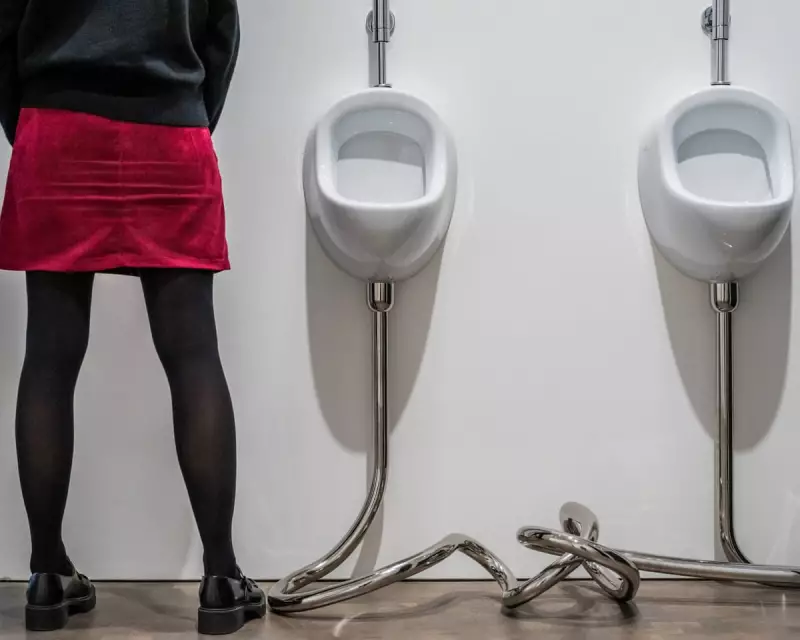
This week in London's art scene marks a significant shift from heroic depictions to celebrating the ordinary. Pace Gallery presents 'Monument to the Unimportant', showcasing how modern artists have redirected their focus toward everyday subjects. The exhibition features works by renowned artists including Rachel Whiteread, Claes Oldenburg, and Robert Gober, demonstrating this ongoing artistic evolution.
The exhibition runs until 14 February, offering visitors a chance to reconsider what constitutes meaningful artistic subject matter in contemporary practice.
Major Exhibitions Across London
Several other significant shows are currently captivating art enthusiasts across the capital. The V&A Museum presents 'Lasting Impressions', a comprehensive survey of prints by women artists spanning an entire century. The exhibition includes works by Faith Ringgold, Laura Knight, and Käthe Kollwitz and continues until 27 September.
Meanwhile, Humphrey Ocean, formerly bassist of Kilburn and the High Roads, showcases his quietly haunting architectural vistas at Gainsborough's House in Suffolk until 22 March. The exhibition reveals the musician's second artistic career and his unique perspective on built environments.
Paula Rego's Macabre Masterpieces
This week's standout image comes from the late great artist Paula Rego, whose work 'Scarecrow III' (2006) demonstrates her distinctive dark vision. The piece emerged from Rego's fascinating correspondence with playwright Martin McDonagh after she saw his shocking play about child torture.
Rego actively sought more dark narratives from McDonagh, who subsequently searched his archives to provide the cruel tales that would inspire some of her most powerful works. This creative partnership resulted in artworks that continue to captivate and unsettle viewers in equal measure.
Art World News and Discoveries
The past week brought several significant developments in the art world. A previously unknown Renoir painting achieved remarkable results at auction, selling for €1.8 million in Paris. Meanwhile, Tate staff initiated week-long strike action over pay disputes, with reports emerging of workers resorting to food banks.
In more positive news, Turner-winning sculptor Tony Cragg expressed support for selfie-takers at exhibitions, embracing modern visitor behaviour. An upcoming London exhibition will explore mental health and social bonds in what organisers describe as increasingly 'polarised' times.
Artists are pushing boundaries in unexpected ways, with some going to extraordinary lengths to recreate rubbish in their work. Meanwhile, three thrilling Caravaggio works have raised intriguing questions about the identity of the artist's anarchic muse.
Masterpiece of the Week: Van de Velde's Subtle Wealth
Jan van de Velde's 1656 painting 'Still Life: A Goblet of Wine, Oysters and Lemons' represents the enduring appeal of the still life genre. The artwork continues a tradition that dates back thousands of years to Ancient Greek artists who competed to paint the most realistic grapes.
What appears as a simple arrangement actually conceals a sophisticated display of wealth. While oysters were relatively common in the sea-surrounded Netherlands of the 17th century, lemons were considered luxury items in northern Europe. The wine glass depicted is no ordinary vessel but an expensive, richly crafted object.
The painting currently resides at the National Gallery in London, where visitors can appreciate Van de Velde's masterful attention to detail - from the yellow of lemon peel to the silvery glint of oyster shells and the way light interacts with the wine glass.
This week also saw significant achievements across the art world, with Onyeka Igwe and Morgan Quaintance jointly winning the Jarman prize for artists working with moving images. Meanwhile, Tom de Freston's intimate paintings of his pregnant wife helped the couple navigate an emotional journey together.