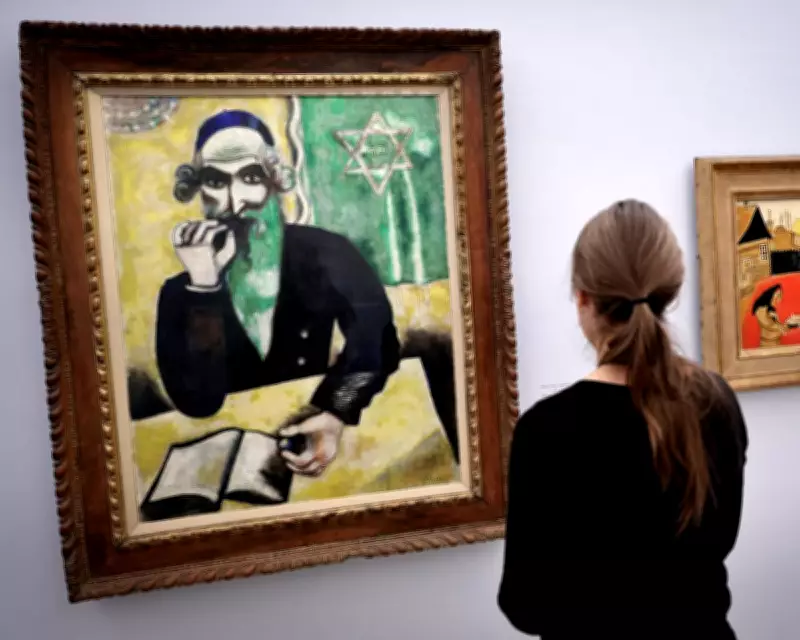
Paintings by Marc Chagall at the Degenerate Art exhibition at the Picasso museum in Paris, showcased on 12 February 2025, serve as a poignant reminder of historical attempts to suppress artistic expression. This exhibition, originally a Nazi effort to vilify modern art, has been reinterpreted in a contemporary context, highlighting ongoing tensions in cultural politics.
National Rally's Cultural Agenda
Marine Le Pen's far-right National Rally (RN) is actively formulating plans to reshape France's cultural landscape. The party aims to replace the current vibrant and diverse arts scene with a retrograde movement focused on glorifying the nation's past. This shift involves significant policy changes that could undermine the country's global soft power and artistic innovation.
Proposed Cuts to Arts Subsidies
Sébastien Chenu, vice-president of the RN, has advocated for eliminating the National Cinema Centre (CNC), which provides €850 million in annual subsidies to the French film industry. This funding, equivalent to about €12.50 per citizen annually, supports one of the world's most dynamic independent cinema sectors. Chenu argues that box-office success should dictate artistic quality, a stance that critics say prioritises commercialism over cultural depth.
The RN's proposals extend beyond cinema. The party has targeted subsidies for contemporary art, modern dance, and avant-garde music festivals, such as Trans Musicales, which was mistakenly associated with transgender musicians. Instead, the focus would shift towards preserving France's built heritage, including chateaux and monuments, while promoting projects like medieval theme parks such as Puy du Fou.
Ideological Motivations and Historical Parallels
Chenu and the RN frame their cultural policies as a battle against "le wokisme" and leftist influences in public media and arts. This approach mirrors historical authoritarian efforts to co-opt culture, such as the Nazi's Degenerate Art exhibition, which featured artists like Chagall and Van Gogh. In France, past censorship has targeted figures like Pablo Picasso, who was denied citizenship, and films like Luis Buñuel's L’Âge d’Or, banned for decades.
The RN plans to privatise public broadcasters, potentially increasing reliance on right-wing media empires like that of billionaire Vincent Bolloré. This could stifle journalistic independence and diverse cultural production, echoing moves by figures like Donald Trump in the US.
Impact on French Culture and Global Perception
While the RN claims to protect French heritage, critics argue that their policies risk fossilising culture, turning it into an ideological tool rather than a living, evolving entity. The party's emphasis on heritage preservation, though important, may come at the expense of contemporary artistic expression that challenges and enriches society.
Art that endures often unsettles and critiques power, as seen in works once deemed degenerate. If the RN gains power, it could deal a financial blow to artists and institutions, but history suggests that suppressed art often gains veneration over time. The ongoing debate underscores the vital role of public funding in maintaining France's cultural radiance and global influence.