The Ethics of Anonymity: Unmasking Artists Like Banksy and Ferrante
In the contemporary art and literary worlds, the phenomenon of anonymous creators has sparked intense debate over the ethics of unmasking their identities. Artists such as Banksy, the elusive street artist, and Elena Ferrante, the pseudonymous Italian novelist, have built celebrated careers while shrouding their personal lives in secrecy. This practice raises profound questions about privacy, artistic integrity, and the public's right to know.
The Allure of Anonymity
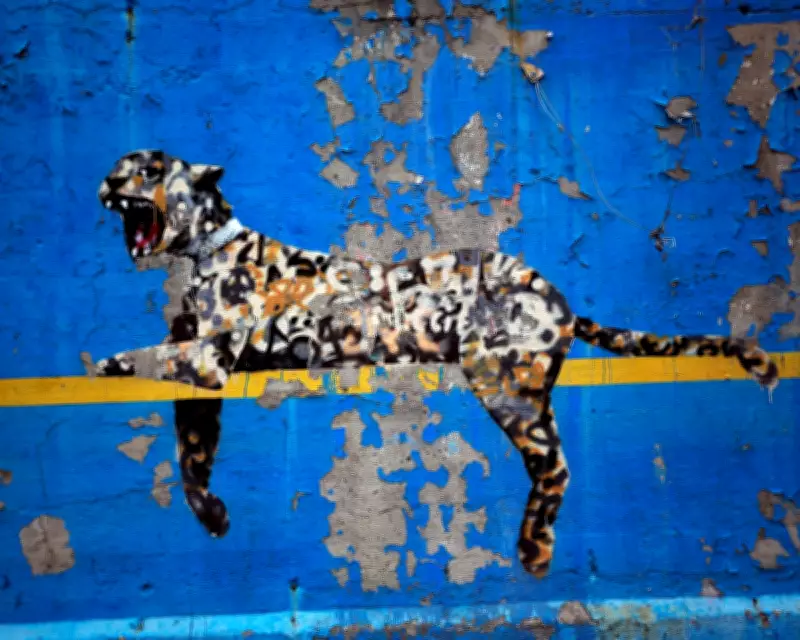
Anonymity allows artists to separate their work from their personal identity, enabling a focus on the art itself rather than the creator's biography. For Banksy, this has meant that his politically charged graffiti and installations can speak directly to social issues without the distraction of celebrity. Similarly, Elena Ferrante's novels, which delve into the complexities of female friendship and identity, gain a universal resonance when detached from the author's private life. This separation often enhances the mystery and impact of the work, drawing audiences into a deeper engagement with the themes presented.
The Drive to Unmask
Despite the artistic benefits of anonymity, there is a persistent drive among journalists, scholars, and the public to uncover the true identities behind these pseudonyms. In the case of Banksy, numerous investigations have attempted to reveal his identity, with some claiming to have identified him as a British artist from Bristol. For Ferrante, a 2016 investigation by an Italian journalist purported to expose her real name, leading to widespread controversy. These efforts are often justified by arguments about transparency, accountability, or the public's curiosity, but they also risk violating the artists' deliberate choices and personal boundaries.
Ethical Implications
The ethical implications of unmasking anonymous artists are multifaceted. On one hand, there is a tension between the artists' right to privacy and the public's interest in understanding the creators behind influential works. Unmasking can be seen as an invasion of privacy that undermines the artistic intent, potentially damaging the work's reception or the artist's safety. For instance, Banksy's anonymity is partly a protective measure against legal repercussions for his street art, which often involves trespassing. On the other hand, some argue that in an age of digital transparency, maintaining such secrecy is increasingly challenging and may even be perceived as disingenuous.
Impact on Art and Culture
The debate over unmasking extends beyond individual artists to broader cultural norms. It touches on issues of authenticity, as anonymity can be viewed as a form of artistic expression in itself. Moreover, it raises questions about how society values art: should the focus remain on the work, or does the creator's identity enhance its meaning? In literature, Ferrante's case highlights how pseudonyms can empower writers, particularly women, to explore sensitive topics without fear of personal backlash. Ultimately, the push to reveal identities reflects a cultural obsession with celebrity and personal narrative that may detract from the art's intrinsic value.
Looking Ahead
As technology advances and investigative techniques become more sophisticated, the pressure to unmask anonymous artists is likely to intensify. However, this trend also prompts a reevaluation of ethical standards in journalism and art criticism. Respecting an artist's choice to remain anonymous could be seen as upholding a fundamental aspect of creative freedom. In conclusion, while the curiosity to know the faces behind the masks is understandable, it is crucial to balance this with a respect for privacy and artistic vision, ensuring that the art itself remains the central focus of cultural discourse.